
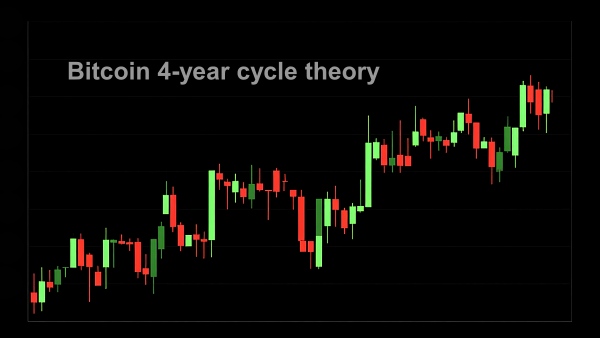
Michael Saylor (마이클 세일러), chairman of Strategy, said the four-year cycle model that has explained the Bitcoin market is no longer a dominant framework. On July 5, blockchain media outlet U.Today reported that Saylor said Bitcoin is shifting away from a halving- and retail demand-driven structure and toward a digital asset swayed by large institutional inflows.
Saylor said the importance of declining miner issuance is not what it used to be. He instead cited spot Bitcoin ETFs, equity-market derivatives, listed companies’ treasury assets, sovereign wealth funds and national reserve assets, and interbank credit and collateral tools as new core sources of demand.
He said it has become difficult to explain Bitcoin through past retail-driven cycles as market liquidity has grown. He also said the next stage of Bitcoin adoption is not more buyers, but more balance sheets coming in.
Saylor said that over the next 10 years the Bitcoin protocol will be run more conservatively and will serve as a base layer for large-scale final settlement. Unlike information technology companies that pursue rapid development, he said Bitcoin’s role is to ensure the stability of the base layer.
He expected code changes to become even rarer because of strict consensus among participants. He also said technologies such as the Lightning Network and sidechains will ultimately move to the periphery of the system.
He also compared this trend to gold and real estate. He said that just as gold and real estate increased their financial potential after the emergence of credit markets, a digital credit industry linking to the traditional economy is forming around Bitcoin as well.
He said this could also be the biggest risk over the next 10 years. He warned that paper Bitcoin could emerge, with intermediaries creating more bond-like claims than actual coins. He cited custody transparency and proof of reserves as key conditions for investor protection.
 Hyunwoo Chu
cookinpapa@d-today.co.kr
Hyunwoo Chu
cookinpapa@d-today.co.kr