
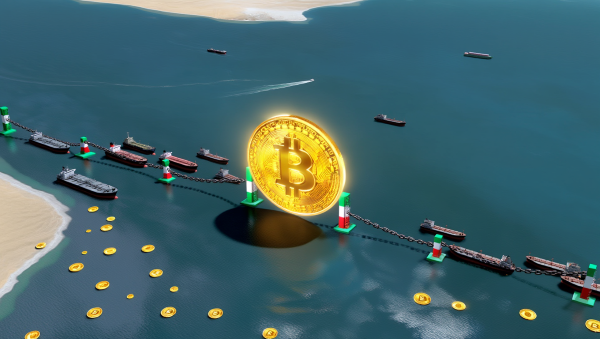
[DigitalToday reporter Yoonseo Lee (이윤서)] Reports have emerged that Iran is pushing a digital marine insurance platform targeting ships passing through the Persian Gulf and the Hormuz Strait. With cryptocurrencies such as bitcoin (BTC) mentioned as a means of paying premiums, some interpret it as an attempt to bypass the dollar-centred financial network.
On May 18 local time, foreign media outlets including blockchain publications Cointelegraph, CoinPost and Crypto Briefing reported that Iran is said to be reviewing a plan to manage the Hormuz Strait through an insurance-based approach.
On social media, screenshots of a website called "Hormuz Safe" spread. The site was said to have introduced itself as providing a "digital marine insurance platform" for ships passing through the Hormuz Strait. However, the authenticity of the website and whether it is actually being implemented have not been confirmed, and access to the site has now been suspended.
The Hormuz Strait is a key shipping lane through which about 20 percent of global oil supplies pass. Marine insurance is mandatory for tankers and cargo ships travelling through the area, but the existing insurance system has been operated mainly by Western financial institutions and international insurers based on SWIFT. If Iran, which has been excluded from this structure by sanctions, actually pushes Hormuz Safe, it could be interpreted as an attempt to bypass dollar-centred financial infrastructure and Western intermediaries.
Local media outlet Fars News reported that Iran's economy ministry plans to use an insurance system to manage the Hormuz Strait. Citing state documents, Fars News claimed the approach would make it possible to issue various marine insurance policies and financial responsibility certificates and could bring Iran more than $10 billion in income.
The key issue, however, is international trust. It is unclear whether insurance certificates issued by Iranian state bodies would be recognised as valid at Western-leaning ports or in the global shipping industry. It is also difficult to rule out the possibility that shipowners and port authorities using the platform could be exposed to the risk of U.S. secondary sanctions.
There were also earlier reports that Iran had been collecting passage fees related to the Hormuz Strait in the dollar-pegged stablecoin USDt (USDT), bitcoin and the Chinese yuan. Still, whether the insurance plan will actually be pursued remains unclear. The possibility that the site itself is fabricated also remains.
The issue is drawing attention as debate over control of the Hormuz Strait intersects with cryptocurrency payment methods. The key point, however, is not whether bitcoin is adopted but that the insurance model and the authenticity of the related website have not been verified. It also remains to be seen whether Hormuz Safe could be accepted in actual international shipping operations.
Bitcoin cannot be stopped. Iran is evading sanctions and accepting BTC as payment for safe passage in the Straight of Hormuz. The world is changing fast. National security hawks need to take this very seriously, update their mental model, and begin planning for a new paradigm. pic.twitter.com/Dp0IjwAst2
 Yoonseo Lee
yslee@d-today.co.kr
Yoonseo Lee
yslee@d-today.co.kr