
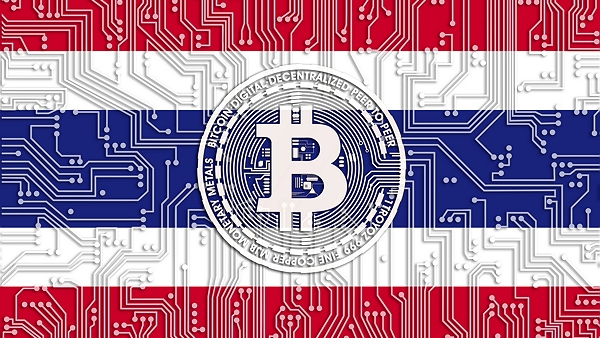
Thailand will introduce a travel rule that includes self-custody wallets to strengthen anti-money laundering measures for cryptocurrencies. The key is requiring checks on ownership and control even in transactions with personal wallets that do not go through regulated operators such as exchanges.
On Sept. 2 (local time), The Crypto Basic reported that Thailand's Securities and Exchange Commission (SEC) has finalised risk management rules for transferring and receiving digital assets. The new rules will take effect on Feb. 27 next year. That effectively gives operators about 6 months to set up systems for transmitting and receiving information and for transaction monitoring.
Under the rules, digital asset operators must collect information on remittance customers and counterparties and conduct due diligence on counterparties. If another operator participates in a transaction, the operator's eligibility must also be verified. In particular, when a customer sends cryptocurrency to a self-custody wallet or receives it from such a wallet, the wallet's ownership or control must be verified.
When assets are transferred between regulated operators, the originating remittance operator must provide the counterpart operator with information that can identify the sender and the recipient along with the transaction instruction. Related information accompanying all digital asset transactions must be kept for at least 5 years in a form that supervisory authorities can quickly access.
The Thai SEC explained the step as aimed at "reducing the risk that crypto operators are misused as channels for money laundering, terrorist financing or technology-related crime." The rules also reflect standards set by the Financial Action Task Force (FATF). FATF said 83 percent of surveyed jurisdictions this year have travel rule-related laws in place, up from 73 percent last year.
Thailand is also seeking to expand access to digital asset investment while tightening regulation. The SEC is reviewing a plan to allow brokerage services for crypto derivatives listed on overseas regulated markets, and is also gathering opinions on rules related to crypto ETFs in Thailand and overseas digital asset custodians. This is seen as a managed opening strategy that applies stricter scrutiny to off-regulation trading while expanding products within the regulated system.
 Choi Jae-won
ittt_0801@d-today.co.kr
Choi Jae-won
ittt_0801@d-today.co.kr