
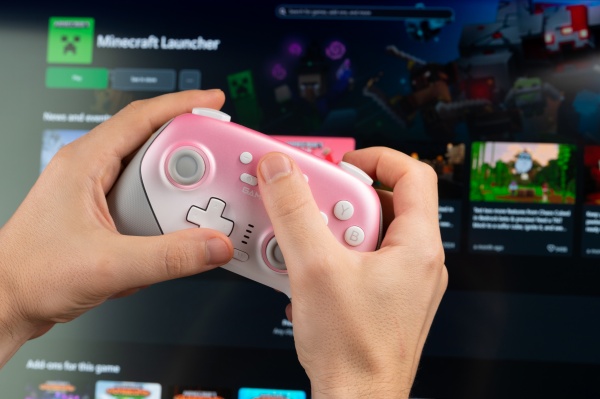
With a prolonged memory supply crunch and growing concern about delays to next-generation console launches, CD Projekt Red expressed confidence in the sustainability of the console market. Hardware prices are rising and uncertainty over parts supplies is persisting, but the company sees consoles' low barriers to entry and broad appeal as still valid.
TechRadar reported on Sept. 2 local time that CD Projekt Red co-chief executive Michal Nowakowski (미할 노바코프스키) expects next-generation consoles from Sony, Microsoft and Nintendo to withstand the current memory supply crisis.
The remarks come as a RAM shortage continues across the broader hardware market, including PCs and game consoles. Rising memory prices are increasing cost burdens for PC makers and console companies, and the industry is projecting that memory shortages could worsen even after 2027. Major memory makers such as Samsung Electronics, SK Hynix and Micron are expected to expand capital investment, but supply shortages are unlikely to be resolved in the short term, the report said.
Nowakowski said consoles are unlikely to see their role diminish even under these conditions. He said consoles remain an important platform for securing casual and semi-casual users, citing the advantage that users can easily connect a device and start playing right away. He said consoles have lower barriers to entry than high-performance PCs and that this will remain competitive in the market.
He acknowledged that price increases are a practical variable. Nowakowski said the console market will endure the current crisis, but added that pricing is an objective challenge. If parts such as memory become more expensive, manufacturing costs rise and could ultimately affect retail prices. He also took a cautious stance on the possibility of delays to next-generation console launches, saying there are rumours in the market but it is not yet known how actual launch schedules might change.
CD Projekt Red said it can adjust its development strategy even if next-generation console launch schedules change. Nowakowski said if the next generation is delayed, development plans could change, such as putting some game ideas on hold for the future. He added that he is not greatly concerned from a commercial perspective and expressed confidence that console platforms will remain in the market.
The console market is facing more than just memory supply issues. The shrinking of physical media and the shift to digital are also emerging as key issues in the game industry. Sony in particular is drawing backlash from users after reports said it plans to stop producing physical discs for PlayStation from January 2028.
As a digital-only structure strengthens, consumer anxiety over game ownership and how games are used could grow. This is a factor that could also affect user loyalty to platforms and game sales methods.
For publishers, the situation is even more complicated. That is because the potential for rising hardware prices, concerns about delays to next-generation console launches, and the reduction of physical media are unfolding at the same time. Still, CD Projekt Red's message is clear. Consoles remain the key mainstream platform for game distribution, and even if the hardware market changes, developers can respond by adjusting launch schedules and development strategies.
A key variable for the market going forward is how much the memory supply crunch will actually affect next-generation console prices and launch schedules. If user backlash over the digital transition adds to this, both console makers and game publishers are expected to face demands for additional adjustments to hardware strategies and sales methods.
 Jinju Hong
hongjj@d-today.co.kr
Jinju Hong
hongjj@d-today.co.kr