
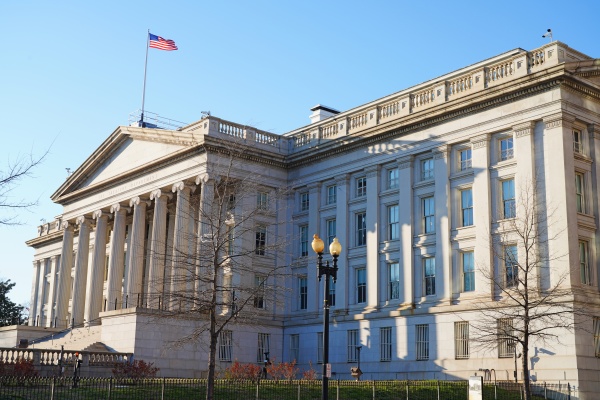
The U.S. Treasury is considering using the balance of the Treasury General Account (TGA) held at the Federal Reserve as funding for long-term Treasury buybacks. The plan is drawing attention because tapping about $950 billion in government funds could help stabilise long-term interest rates and affect the bitcoin market.
On Aug. 25 (local time), blockchain media outlet CoinPost reported that the U.S. Treasury is reviewing a plan to deploy the TGA balance of about $950 billion into purchases of long-term Treasuries.
The review comes after the Treasury said this month it would more than double the size of its long-term Treasury buybacks. On Aug. 19, it announced it would raise the size of single buyback operations focused on maturities of more than 10 years up to 20 years, and more than 20 years up to 30 years, from $2 billion to more than $4 billion.
It also presented a quarterly buyback plan, including the first execution on Sept. 9. At the time, it did not specify how it would secure the funding needed for the expanded buybacks. That prompted market speculation that it would raise funds through the issuance of short-term Treasuries.
U.S. Treasury Secretary Scott Bessent described the policy as a "Treasury Twist." It involves raising funds through short-term Treasury issuance and using the proceeds to buy long-term Treasuries.
Market reaction was mixed. Treasury prices, which rose briefly after the announcement, fell again, and Treasury yields also came under renewed upward pressure. This was seen as reflecting concern that expanding long-term buybacks alone would not be enough to ease upward pressure on long-term rates.
The crypto market reacted quickly. Bitcoin turned higher after the Aug. 19 announcement of expanded buybacks, rising about 23% on the week and recovering to around $79,000 on Aug. 25.
The market assessed that expectations for lower long-term rates supported the bitcoin rise. As 30-year Treasury yields retreated from near a 19-year high, long-dated Treasuries offering interest income became relatively less attractive, and money shifted into bitcoin, which has a limited supply, according to the explanation.
Inflows also emerged. U.S. spot bitcoin ETFs recorded net inflows of about $650 million over a week. Liquidations of short positions worth several billion dollars also combined to widen bitcoin's gains. Expectations for lower long-term rates and short covering acted at the same time.
But the U.S. Treasury market is still seeing sceptical views. On Aug. 20, Treasuries selling intensified again and the 10-year Treasury yield rose to 4.697 percent. The market reflected a view that expanding long-term buybacks alone would be difficult to restrain rising long-term rates. Lawrence Gillum, head of fixed income strategy at LPL Financial, assessed the expanded buybacks as a "temporary stopgap."
The consumer market also showed factors adding to the burden. In Walmart results released the same day, the sales growth rate posted its lowest level in six years. Consumer spending appeared to become more cautious, particularly at offline stores. Walmart Chief Financial Officer John David Rainey (존 데이비드 레이니) explained in the earnings release that rising gasoline prices were increasing the burden on consumers.
Against this backdrop, whether to use the TGA is expected to be an important variable not only for the U.S. bond market but also for the crypto market. The TGA is the account where the U.S. government keeps and disburses funds secured through taxes and other receipts, and it is deposited at the Federal Reserve. The Treasury has adjusted the TGA target balance depending on policy conditions, and under the previous Joe Biden administration it operated with a target of $550 billion to $600 billion.
For now, it has not been decided whether the Treasury will actually use the TGA as funding for buybacks and, if it does, when it would execute it and at what scale.
A key point to watch will be whether using TGA funds actually leads to stabilisation of long-term rates. If long-term rates stabilise, investment sentiment toward risk assets could improve, and funds flowing into bitcoin could also potentially support further gains.
Conversely, if long-term rates continue to rise despite expanded buybacks, bitcoin's upward momentum could also weaken. That is why financial markets and the crypto market are focused on the U.S. Treasury's next decision on fund management.
 Jinju Hong
hongjj@d-today.co.kr
Jinju Hong
hongjj@d-today.co.kr