
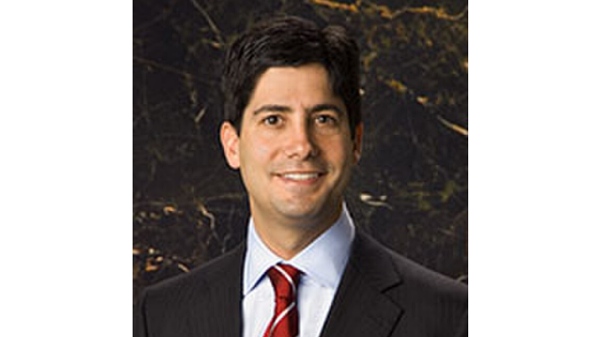
Bitcoin disappointed expectations of a rebound by sliding to $74,190 shortly after Kevin Warsh became chair of the U.S. Federal Reserve. Instead, progress in Iran ceasefire talks contributed to bitcoin’s rebound.
On May 24, blockchain outlet Cointelegraph reported that the cryptocurrency market is paying more attention to the possibility of hawkish monetary policy than to the Fed chair’s pro-cryptocurrency leanings.
A rise in the U.S. two-year Treasury yield is cited as a direct backdrop. The two-year yield rose to 4.14 percent, the highest level since February 2025. With the yield above the Fed’s current target range for the policy rate of 3.50 to 3.75 percent, the market is not expecting rapid rate cuts under Warsh.
CME data also reflected this trend. The interest-rate futures market is pricing in the Fed keeping rates unchanged for most of 2026, and even reflects the possibility of a 25 basis point increase in December. BCA Research data also showed that over the past 30 years, when the two-year Treasury yield was higher than the federal funds rate, the Fed often raised rates, while expectations for rate cuts grew when the two-year yield was lower.
This environment is unfavorable for bitcoin. Bitcoin has typically strengthened when Treasury yields and real rates fall and liquidity conditions ease.
Warsh has previously made statements favorable to bitcoin, criticised central bank digital currencies and supported expanding the role of private-sector financial innovation. Analyst Crypto Patel, however, assessed Warsh as an inflation hawk. He said Warsh may find it difficult to cut rates easily due to inflation risks stemming from the Iran war and pressure on the labour market. He added that crypto-friendly regulation and a tendency to cut rates are not the same.
Bitcoin’s weakness during leadership changes at the Fed was also raised again. Analyst Lucky noted that bitcoin fell 84 percent after Janet Yellen took office in January 2014, 73 percent when Jerome Powell took office in February 2018, and 60 percent when Powell began his second term in May 2022. As the launch of the Warsh era overlaps with bitcoin’s decline, the market appears to be reducing risk exposure until the new Fed chair’s policy direction becomes clear.
 Hyunwoo Choo
cookinpapa@d-today.co.kr
Hyunwoo Choo
cookinpapa@d-today.co.kr