
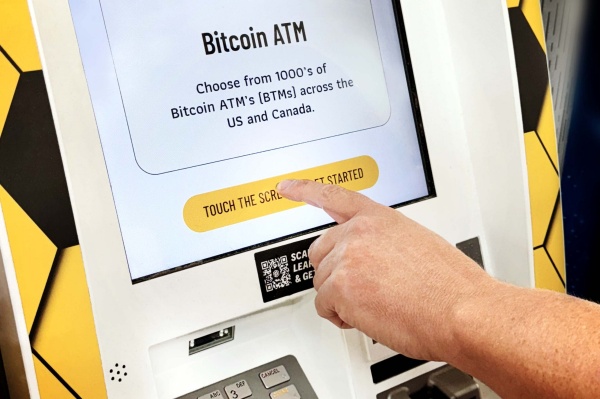
Bitcoin Depot, North America's largest bitcoin ATM operator, has completely halted operation of its cryptocurrency ATM network after filing for bankruptcy protection in the United States.
Cryptopolitan, a blockchain media outlet, reported on May 18 that Bitcoin Depot filed for Chapter 11 in a U.S. bankruptcy court in Texas and plans to proceed with asset sales under court supervision.
Bitcoin Depot once operated ATMs in 47 U.S. states and also provided the BDCheckout service at retail stores in 31 states. Its results have deteriorated sharply. Revenue in the first quarter of 2026 fell to nearly half the level a year earlier, and gross profit dropped 85 percent to $4.5 million. Net loss in the same period was $9.5 million.
A shift in its business structure lies behind the worsening profitability. Bitcoin Depot has charged individual customers transaction fees of 8 to 20 percent through ATMs installed in grocery stores, gas stations and pharmacies. But as regulated apps such as Coinbase and Cash App spread, transaction costs fell below 1 percent. By contrast, the cost of maintaining more than 9,000 physical ATMs remained a burden.
State-by-state regulation also put more pressure on the business. Alex Holmes (알렉스 홈스), Bitcoin Depot's chief executive, said in the bankruptcy filing that each state's transaction limits and strict compliance requirements increased the operating burden. Some states imposed demanding licensing requirements, set daily and monthly transaction limits, and some areas banned cryptocurrency ATM operations outright.
Allegations of involvement in fraud also added to the burden. Andrea Campbell (안드레아 캠벨), Massachusetts attorney general, sued the company in February, claiming Bitcoin Depot ATMs enabled cryptocurrency scams targeting residents in the state. The investigation found that more than half of ATM sales in Massachusetts were linked to fraud-related transactions, and consumer losses through the machines exceeded $10 million. Connecticut's Department of Banking also issued a temporary order to stop business in April 2026 and began procedures to revoke its state licence.
Bitcoin Depot's bankruptcy also raises questions about the viability of the broader cryptocurrency ATM industry. Losses from cryptocurrency ATM fraud last year were tallied at $389 million, up 58 percent from 2024. The surge in fraud losses led to tougher scrutiny by regulators across the industry, and Bitcoin Depot was directly affected by that trend.
Market conditions have also already changed significantly. When Bitcoin Depot listed in 2023, retail investors had fewer ways to access cryptocurrency than they do now. More cheap and fast alternatives are now available, including apps, platforms, exchange-traded funds and payment services, reducing the need for users to seek out cryptocurrency ATMs.
The company also included its Canadian entity in the U.S. process and will carry out a separate restructuring in Canada. Other overseas subsidiaries will also scale back services sequentially in line with each country's laws. It remains uncertain whether Bitcoin Depot's exit will end as the failure of a single company or become a signal of contraction for the broader cryptocurrency ATM industry. But it has become clear that it will be difficult to maintain this business model in the same form as fee competitiveness weakens and regulation tightens at the same time.
 Yoonseo Lee
yslee@d-today.co.kr
Yoonseo Lee
yslee@d-today.co.kr