
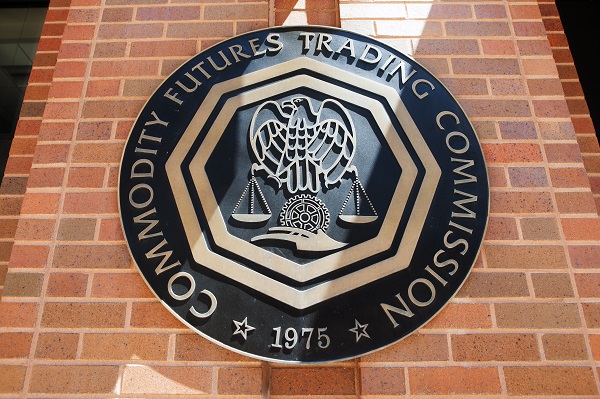
The U.S. Commodity Futures Trading Commission (CFTC) is expanding its use of artificial intelligence (AI) to review crypto registration applications and to monitor markets.
CoinDesk, a blockchain media outlet, reported on April 28 local time that CFTC Chairman Mike Selig is introducing AI into automated registration procedures and surveillance work to fill gaps left by staff cuts.
Selig said the CFTC workforce has fallen by more than 20 percent due to President Donald Trump’s federal workforce reduction policy, and that AI and automation can help offset that. The CFTC is applying related technology to registration application reviews and market surveillance as it expands its role as a key regulator of the crypto industry.
The CFTC’s current registration process involves receiving documents manually and reviewing them. The CFTC is building a system to automate it. AI tools can review applications, flag issues for staff and speed up feedback. Applications that do not effectively meet requirements can be rejected or moved back in the review order.
CFTC staff are receiving initial training on using Microsoft (MS) Copilot. The agency is also developing in-house tools to review swap data and for market surveillance.
Selig has made oversight of crypto and prediction markets his top tasks during his 4 months in office. With no new crypto bill in Congress yet, he cited as the most important measure guidance on a digital asset classification framework issued jointly by the CFTC and the Securities and Exchange Commission (SEC). The guidance sets out criteria to determine which regulator has jurisdiction over specific types of crypto assets.
The CFTC said its role has become clear and it plans to crack down on fraud, price manipulation and insider trading in crypto markets. Prediction markets, by contrast, have emerged as the most contentious issue. The CFTC sees oversight authority over Kalshi, Polymarket, Crypto.com, Coinbase and Gemini as belonging to it, and it is clashing with state governments that cite violations of state gambling laws.
Late last week, it joined a Justice Department lawsuit in the case of Gannon Ken VanDyke, a U.S. Army Special Forces member suspected of participating in prediction market betting related to military action in Venezuela. VanDyke was indicted on charges of using classified government information and fraud, and the CFTC separately brought insider trading allegations.
 Jinju Hong
hongjj@d-today.co.kr
Jinju Hong
hongjj@d-today.co.kr