
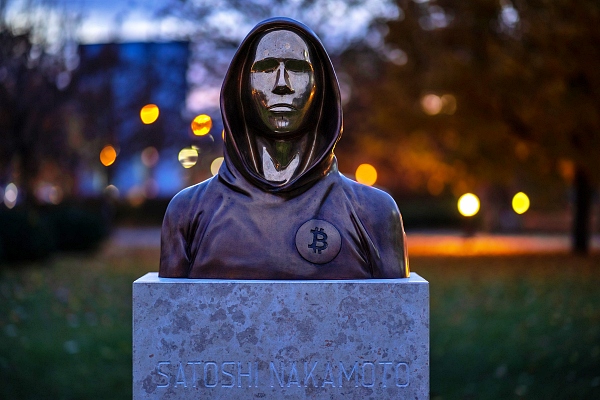
Bitcoin hard fork project eCash has faced backlash even before its launch after it signalled a structure to redistribute on a new chain some of the early-mined coins estimated to belong to Satoshi Nakamoto.
On April 27, blockchain media outlet The Block reported that LayerTwo Labs founder and CEO Paul Sztorc said he plans to create a new chain via eCash that directly reflects Bitcoin’s transaction history and to issue the same number of tokens to existing Bitcoin holders. The structure resembles a hard fork approach like Bitcoin Cash, which copied the existing chain and then ran a separate network.
This project, however, puts the emphasis on experiments to expand functionality rather than a simple technical change. Sztorc is the designer of the BIP300 and 301 proposals known as “drivechain” and has argued for securing scalability by linking Bitcoin with multiple sidechains. eCash is intended to test that concept on a live network.
The core of the controversy is the initial coin distribution method. Citing analysis of the so-called “Patoshi pattern,” Sztorc said he would redistribute on an eCash basis some of an estimated 1.1 million BTC believed to have been mined by Satoshi Nakamoto. Under the plan, Satoshi’s side would be allocated 600,000 eCash, while the remaining 500,000 eCash would be used to build a new ecosystem.
Sztorc described it as a measure to secure early participants. He said it was intended to avoid the so-called “zombie project” problem, in which fork projects lose momentum because they fail to attract contributors in the early stages. The specific criteria for allocating those tokens have not yet been disclosed.
As criticism grew, Sztorc drew a line, saying it would not affect existing Bitcoin assets. “We’re not taking Satoshi’s bitcoin. We’re allocating separate tokens on the new chain,” he said, stressing that balances on the original chain would remain unchanged. He also mentioned that a significant portion of early-mined coins is likely to have remained unmoved for a long time.
Even so, the market is raising questions about the legitimacy of rights distribution on the new chain. eCash does not transfer bitcoin directly, but it is created based on the existing chain’s history and ownership structure, prompting criticism that the initial distribution method could be directly tied to trust in the project. In particular, adjusting the highly symbolic estimated Satoshi holdings at the developers’ discretion could affect future participant inflows.
eCash is targeting an August launch. But debate over its initial coin redistribution structure is expected to face the test first, ahead of any technical implementation. A key point to watch is whether the original goal of verifying the drivechain concept will hold, or whether the distribution dispute will hold it back.
 Jinju Hong
hongjj@d-today.co.kr
Jinju Hong
hongjj@d-today.co.kr