
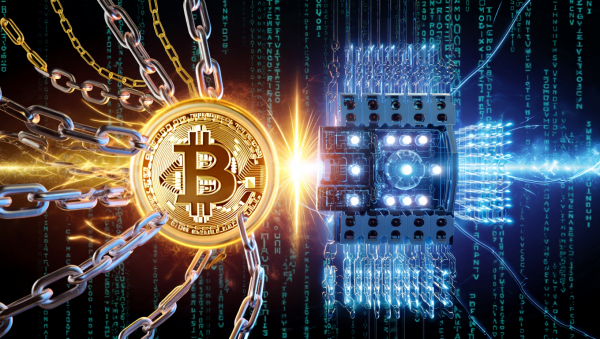
A debate over “dormant coins” that have not moved for more than 10 years on the Bitcoin network is spreading across the broader market. A proposal to freeze coins deemed vulnerable to attack to prepare for quantum computer threats is intensifying a clash between security and philosophy.
CoinDesk reported on April 26 that the industry is divided over ways to restrict long-unmoved bitcoins at the network level. The discussion centers on about 5.6 million BTC in dormant assets. The issue began with concerns that these holdings could be exposed to hacking.
The debate was sparked by the Bitcoin improvement proposal BIP-361, introduced earlier this month. The proposal calls for phasing out the existing cryptographic signature scheme and shifting to a new one. Assets that cannot be moved in the process could effectively be frozen. Developers involved in the proposal say pre-emptive action is needed when considering the possibility that quantum computers could eventually attack early wallets.
But opposition is also strong. Some in the industry say that if the network sets a precedent for freezing assets under certain conditions, it could undermine Bitcoin’s core values of resistance to censorship and the principle that property rights must not be infringed. They worry that once an exception is created, intervention could become possible for other reasons.
Risks from the perspective of institutional investors are drawing particular attention. Some argue that the signal that the network can intervene in assets could undermine the assumptions behind investing. They also say prices could face an immediate repricing process rather than a gradual adjustment. Some raise the possibility that, in the worst case, Bitcoin could see the biggest one-day volatility in its history.
Samuel Chad Pate (사무엘 채드 패트), founder of Bitcoin infrastructure firm OP NET, said institutional investors who invested based on the logic that Bitcoin is free from censorship would have to be forced to unwind their Bitcoin holdings. He added it would not be a choice, but because the asset would no longer meet the original investment conditions.
Others view the quantum threat as a practical problem. Some market participants say that in the absence of a complete solution, they may have to choose between “freezing” and “leaving hacking unchecked.” They argue that limited intervention by the network to maintain system trust could be a better long-term choice.
Technical difficulty is also a factor. Freezing dormant coins is likely to lead not to a simple software update but to a hard fork that changes network rules. As community consensus is essential, a significant struggle is expected before any implementation.
Ultimately, the debate converges on the question of which value Bitcoin should prioritise in the face of a new threat from quantum computers. It amounts to being asked to choose whether to allow intervention to strengthen security, or to keep principles under any circumstances.
The market sees the BIP-361 discussion as a key variable that goes beyond a technical issue and could affect Bitcoin’s governance and overall investment appeal. Depending on the direction of consensus, the perception of Bitcoin’s risks and its price structure are increasingly likely to change together.
 Jinju Hong
hongjj@d-today.co.kr
Jinju Hong
hongjj@d-today.co.kr