
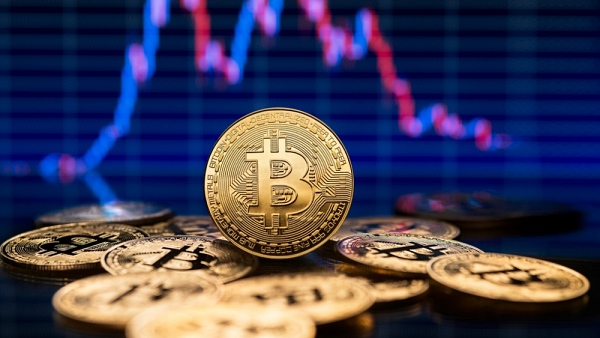
Bitcoin (BTC) has risen nearly 4 percent to above $71,000 after a recent ceasefire announcement by the United States and Iran, and three on-chain indicators suggest it may be entering an accumulation phase, blockchain outlet BeInCrypto reported on Tuesday.
According to CryptoQuant data, bitcoin active address momentum fell to -0.2. That means network participation has declined, at the most extreme level since 2018. An analyst saw the collapse in activity as a signal that short-term holders who bought into overheating and sold in fear have disappeared from the market. By contrast, it suggests long-term holders are accumulating.
The analyst explained that such periods in the past have often overlapped with long-term accumulation bottoms that were the most profitable. The network's silence also shows that supply coming to market is being steadily absorbed, the analyst said. An environment of low volatility and low speculative demand is a phase that makes it easier for smart money and institutions to build large positions without sharp price swings, the analyst added.
Another indicator also pointed to a similar trend. Land Group said the best entry points in years emerged each time 80 to 90 percent of bitcoin capital moved into loss territory in past periods. It noted there were three such cases and said a similar pattern is now reappearing.
A long-term sentiment indicator has also entered an extreme bearish zone. Alphractal founder Joao Wedson said the 720-day Tactical Bull and Bear Index (TBBI) moved into an extreme bearish area. The indicator tracks market sentiment cycles over several years and entered the same zone when retail investor fatigue peaked and the market narrative turned fully negative. In such periods, smart money began absorbing available supply, he said.
Wedson said further declines remain possible, but losses are likely to be more limited. A $15,000 plunge could occur once more in a way that fuels a final bout of fear, but structurally the market is closer to the later stage of fear, he said. He said the three indicators point to a phase in which much of the market's fear has passed, but it remains to be seen whether such changes will appear within weeks or take months.
 Jinju Hong
hongjj@d-today.co.kr
Jinju Hong
hongjj@d-today.co.kr