
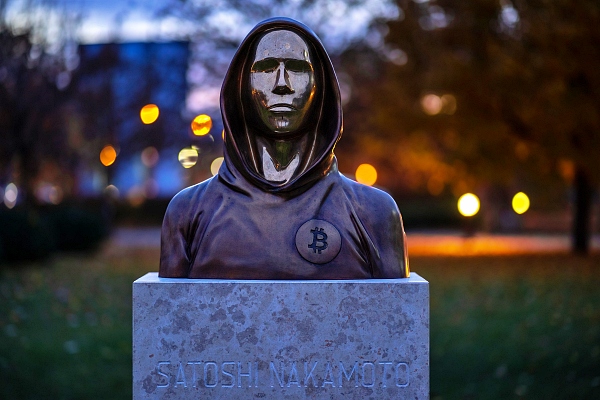
[DigitalToday reporter Yesle Kim] Satoshi Nakamoto, known as the creator of Bitcoin (BTC), was reported to have predicted threats from quantum computers in 2010 and to have presented specific ways to address them.
On Tuesday local time, blockchain outlet CoinPost reported that Satoshi’s past posts on the BitcoinTalk forum have recently drawn renewed attention.
The key view is that even if the quantum threat becomes real, there is time and a procedure to respond if progress is gradual rather than a sudden collapse. In a post at the time, Satoshi said that if the threat from quantum computers “proceeds in stages, there is still time to move to a stronger algorithm.” In other words, he assumed the risk could grow over time with warning signs, rather than quantum capability suddenly appearing at a level that breaks signature schemes.
Satoshi’s proposed response was an “asset retransmission” approach centered on users updating their wallets and clients. He explained that when users first run upgraded software, they can move to a safer algorithm by creating a transaction that sends their holdings back to themselves to an address using a “new signature method.” The idea is read as designing a sequential migration so users move to a safer format in step with the pace of update adoption, rather than forcing a network-wide overhaul all at once.
The discussion did not stop at signature algorithms. In the same thread, an extreme scenario in which the SHA-256 hash function is broken was also mentioned. In that case, Satoshi proposed locking the blockchain state by consensus and switching to a new hash function. With a weakened hash function potentially affecting proof-of-work (PoW) trust and chain integrity itself, he effectively laid out a rough roadmap that also included where to redefine the chain state in a crisis.
Satoshi did not see a gradual transition as a cure-all. He also acknowledged that in situations such as a “sudden and complete cryptographic collapse,” this incremental approach may not work. The passage left a warning that the scope for response can differ depending on the form of the risk, rather than being optimistic about or downplaying the quantum threat.
Satoshi’s remarks from 16 years ago focus attention on what options Bitcoin could take when a quantum threat is raised, and how those options are intertwined with user-level migration, protocol consensus and changes in cryptographic standards. The outlet also reported that future points to watch will be what upgrade paths the Bitcoin community actually discusses and how closely the premise that a “gradual” transition is possible, assuming the threat emerges incrementally, can align with real-world technology and standardisation timelines.
 Yesle Kim
yeseulkim911@d-today.co.kr
Yesle Kim
yeseulkim911@d-today.co.kr