
Bitcoin dominance is holding at 59 percent and the altcoin market remains sluggish. On Jan. 26, blockchain media outlet BeInCrypto cited a report by cryptocurrency data analysis firm CryptoRank and analysed structural problems that could make an altcoin season hard to arrive even in 2026.
The altcoin season index stands at 41. It must reach at least 75 for altcoins to outperform Bitcoin. The long-term altcoin monthly index fell to 49 and the altcoin yearly index dropped to 29. That is a sign of Bitcoin's sustained strength.
CryptoRank pointed to four structural problems in the altcoin market. First, funds are overly fragmented. The number of tracked tokens surged to 29.2 million from 5.8 million in a year, preventing funds from concentrating in specific projects. Second, there are tokenomics issues. Many projects launch with low circulating supply and high fully diluted value, and ongoing insider selling pressure restrains price gains.
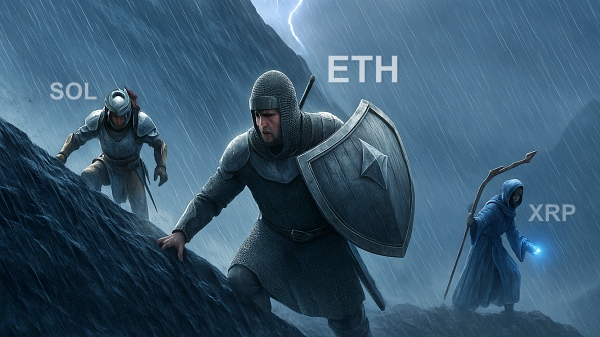
Third, altcoins now have to compete with memecoins, futures and prediction markets. Memecoins promise quick profits and draw speculative capital. Futures and prediction markets enable leveraged bets, reducing the need for investors to hold tokens directly. Fourth, institutional capital is concentrated in large assets such as ETH, SOL and XRP, making it structurally difficult for mid- and small-cap altcoins to rebound.
These factors, combined with token unlocks worth $1 billion, make a rebound in the altcoin market even harder. In the past, funds concentrated in the top 100 cryptocurrencies, enabling broad-based gains. Now the market is too fragmented. The rise of high-leverage contracts and binary prediction markets is reinforcing this trend.
It cannot be concluded that altcoin season has disappeared, but the current situation is different from the past. Altcoins would need structural change to rebound, and there is a view that this trend is likely to continue through early 2026.
 Hyunwoo Choo
cookinpapa@d-today.co.kr
Hyunwoo Choo
cookinpapa@d-today.co.kr