
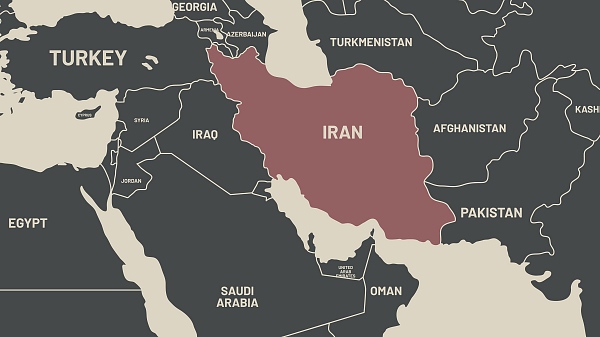
Tensions around the Strait of Hormuz have driven oil prices sharply higher, which is expected to put pressure on financial markets including bitcoin, blockchain media BeInCrypto reported on March 2 (local time).
U.S. President Donald Trump forecast the military conflict with Iran would last at least 4 weeks. The world’s largest shipping company Maersk has fully suspended transits through the Strait of Hormuz. Goldman Sachs predicted oil prices could rise by as much as $15 a barrel. Some have even raised the possibility of an increase to $120 to $150.
A surge in oil prices is not just an energy issue. It can stoke inflation and prompt interest rate hikes, which could reduce liquidity in the cryptocurrency market. In the past, rising oil prices also triggered tighter central bank policy and negatively affected risk assets such as bitcoin.
The same pattern is likely to repeat this time. According to Bloomberg, as U.S.-Iran tensions persist, the cryptocurrency market is taking a defensive stance, and if interest rate rises begin in earnest, leveraged liquidations are expected to accelerate.
Oil prices are expected to be a key variable for the cryptocurrency market over the next 4 weeks. If tensions ease and oil prices stabilise, investor sentiment toward risk assets is likely to recover. If oil prices keep rising, bitcoin is expected to face strong liquidity pressure.
Market traders say the Iran situation will deliver a short-term shock but that the market will stabilise quickly. Crypto analyst CrypNuevo said, "Unless it is a serious clash, bitcoin will soon recover." But many analysts also expect a prolonged decline. BitBull pointed out, "Bitcoin is repeatedly showing a downtrend pattern, and an additional correction to $45,000 is possible."
 Hyunwoo Choo
cookinpapa@d-today.co.kr
Hyunwoo Choo
cookinpapa@d-today.co.kr