
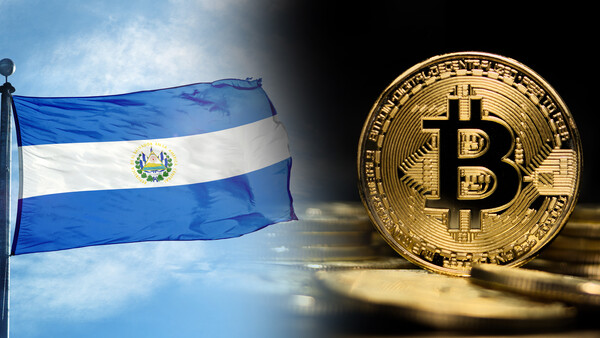
[DigitalToday reporter Jinju Hong] The International Monetary Fund approved a $139 million disbursement for El Salvador, while reaffirming its view that the government should further scale back bitcoin-related activities.
On Oct. 2 local time, blockchain outlet Bitcoin Magazine reported that the IMF assessed El Salvador's economy as performing better than expected, but said bitcoin accumulation and state involvement remained under oversight.
The move is drawing attention as El Salvador's improving macroeconomy and demands to scale back bitcoin policy continue at the same time. In a statement, the IMF said economic activity exceeded expectations, supported by improved public security and a recovery in investor confidence. It said macroeconomic imbalances were also continuing to be corrected.
The IMF, however, again underscored separate conditions related to bitcoin policy. It noted that some performance criteria were not met, and said the bitcoin accumulation area was a particular problem. It added that it granted an exception based on strong corrective measures and renewed commitments. The IMF said, "economic activity exceeded expectations," while also saying, "some performance criteria, including in the bitcoin accumulation area, were not met."
The crux is scaling back the El Salvador government's bitcoin involvement. The IMF said state bitcoin-related activities were being phased out, and that aside from portions documented as donations, it is not planning additional bitcoin accumulation. The IMF said it "seeks to reduce the state's participation in bitcoin-related activities" and added, "it does not envision additional bitcoin accumulation beyond recorded donations."
El Salvador adopted bitcoin as legal tender in 2021. Since then, major international organisations, including the IMF, have voiced concerns about the policy. El Salvador was also in talks with the IMF at the time over development financing support. Later, at the end of December last year, the two sides moved into a $1.4 billion loan agreement, but the IMF demanded that El Salvador scale back parts of its bitcoin strategy as a precondition.
Differences in how the two sides viewed bitcoin holdings also persisted. The IMF said in September that El Salvador was not buying bitcoin, but the El Salvador Bitcoin Office repeatedly claimed the government was continuing to buy cryptoassets. President Nayib Bukele (나이브 부켈레) said in 2022 he would buy 1 bitcoin a day, but the report said the actual source of funds and whether purchases were made were not clear.
The IMF said in September that for at least some time El Salvador had not accumulated bitcoin with public funds and had received bitcoin through private donations. This time, in the same context, it maintained its stance of recognising only amounts documented as donations. As a result, what funding sources actually built up El Salvador's bitcoin holdings, and whether further government-level purchases will be halted, again emerged as points to watch.
El Salvador's strategy to broaden public adoption has already been assessed as falling short of expectations. The government distributed bitcoin to citizens in 2021 and also launched a dedicated wallet to increase cryptoasset use in a dollar-based country. Bukele acknowledged in 2024 that purchases by citizens using bitcoin had not increased as much as expected. Even so, the government has maintained its message that it is continuing to accumulate bitcoin.
Ultimately, the announcement shows El Salvador still faces constraints in pursuing IMF funding support and bitcoin policy at the same time. Disbursement took place as economic indicators improved, but the state's strategy to expand bitcoin is now in a tighter position under conditions of no further accumulation and reduced public involvement.
 Jinju Hong
hongjj@d-today.co.kr
Jinju Hong
hongjj@d-today.co.kr