
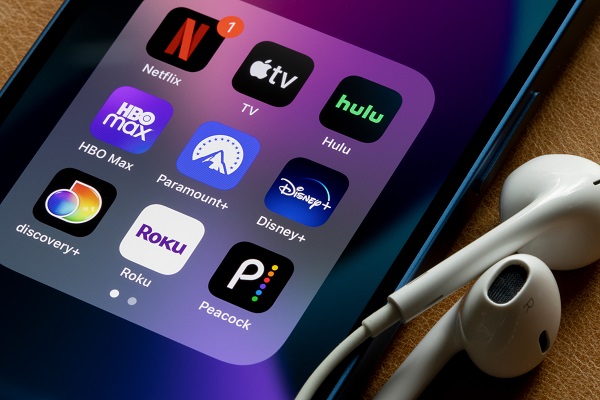
Bundling that packages other companies’ content together is gaining momentum in the global OTT industry.
Amazon has allowed users to subscribe to other streaming services such as HBO Max and Apple TV through the Prime Video app and watch programmes such as "The Pitt" and "Ted Lasso". Other companies are taking similar steps.
According to a recent New York Times report, YouTube and Roku are accelerating toward a one-stop platform where people can access all content they watch on TV in one place.
Roku is getting users to subscribe to external streaming services through a "Channels" feature within the Roku interface. According to subscription research firm Antenna, the number of new subscriptions sold through Roku's Channels business rose 19 percent year on year in the second quarter.
YouTube Premium subscribers will be able to watch NBCUniversal's streaming service Peacock content on the YouTube app at no additional cost from 2027.
YouTube is also aggressive on bundling. YouTube recently signed a five-year deal with NBCUniversal to provide Peacock's ad-supported dramas, films and live sports to YouTube Premium subscribers.
YouTube plans to bundle Peacock with its base Premium plan, which costs $15.99 a month. Peacock's ad-supported plan currently starts at $10.99 a month. For users, the cost burden is lower than subscribing to the two services separately. Under the deal, NBCUniversal will also provide some live sports matches on YouTube.
YouTube recently launched a consumer marketing campaign as part of its push to expand Premium subscriptions. Ads will appear on rival streaming services including Prime Video and HBO Max, as well as popular podcasts such as "Crime Junkie", "Armchair Expert" and The New York Times-produced "The Daily".
Netflix, the dominant player in OTT, is also drawing attention. Netflix has kept its distance from ideas of working with rivals, but the situation has recently changed.
In June, Netflix integrated French broadcaster TF1 into its platform. More recently, options for making other streaming services such as Peacock and Fox One available on Netflix are also under discussion, the New York Times reported, citing three people familiar with the matter.
Netflix executives have recently discussed with NBCUniversal and Fox Corp ways to provide Peacock and Fox One on Netflix's streaming service, the report said. A cooperation announcement does not appear imminent. It is also unclear whether Netflix will integrate content into its own service as in the YouTube-Peacock case or act as a seller and intermediary for other streaming services like Amazon Prime Video.
Even so, Netflix's moves are a significant change from two years ago. At the time, Netflix made clear to shareholders that it was already the first platform people turned to for entertainment.
The industry views these moves as showing that the rules of competition in the streaming industry are changing.
The New York Times reported that OTT companies that once focused on increasing new sign-ups are now paying much more attention to retaining subscribers while minimising churn. It also said the shift in the competitive focus from acquiring subscribers to bundling is not unrelated to that trend.
The New York Times reported that major OTT players aim to go beyond securing the most subscribers and become the platform users turn to first for streaming content. Jonathan Carson (조너선 카슨), Antenna's CEO, said, "What matters is which app you open and watch for the next three hours when you turn on the TV."
Consumer response to bundling is also seen as positive. According to Antenna, streaming service subscriptions made through external platforms such as Amazon, Roku and YouTube have increased by about 60 percent over the past three years. About one-third of new subscriptions are now made that way. As of June, subscriptions to other services through Amazon Prime Video total more than 49 million.
Not all OTT companies are focusing on bundling strategies. Disney remains an exception and continues to sell most of its subscriptions directly to consumers.
 Chi-gyu Hwang
delight@d-today.co.kr
Chi-gyu Hwang
delight@d-today.co.kr