
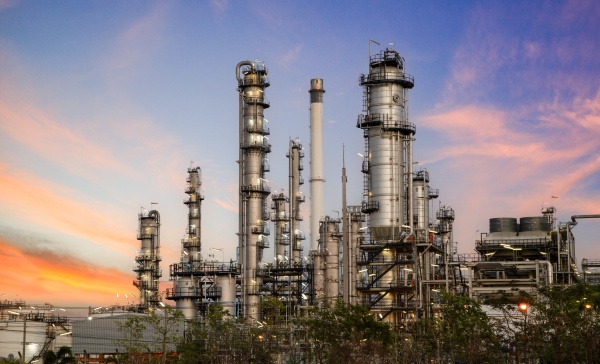
Microsoft and Chevron plan to build a 2.67 GW natural gas power plant in west Texas and use it as a power source for Microsoft AI and cloud data centres. The project links a power plant to data centres on the premise of securing long-term electricity supply.
On June 22, local time, IT outlet TechCrunch reported that the two companies have signed a 20-year power purchase agreement and plan to supply electricity generated by the plant exclusively to data centres operated by Microsoft. Most of the plant’s capacity will be handled by two GE Vernova turbines, with the remainder covered by equipment from Solar Turbines, a unit of Caterpillar. Microsoft will buy power produced by the plant for 20 years.
Chevron said the project would be “one of the largest natural gas power generation and data centre development projects adjacent to data centres in the United States.” With data centre electricity demand rising rapidly, the deal is an example of large technology companies moving in earnest to lock in power directly by combining dedicated generation facilities with long-term contracts.
The decision creates tension with Microsoft’s existing climate strategy. Microsoft has previously said it is taking an active stance to strengthen sustainability and has also set a goal of eliminating carbon emissions by 2030. But the new plant is based on natural gas. It was also raised that achieving that goal could become more difficult.
The plant, known as Project Kilby, also has significant potential emissions. Environmental group Environmental Integrity Project (EIP) estimated the facility could emit more than 13 million tonnes of carbon dioxide, 3,200 tonnes of air pollutants and more than 278,000 pounds of hazardous air pollutants. While the aim of power stability and expanding AI infrastructure is clear, concern has followed that the power procurement method itself could increase the environmental burden.
Microsoft’s move is less a sudden change than an extension of a trend it has signalled in recent months. But the weight of the shift has grown as a 20-year contract and a 2.67 GW power project have taken concrete form. As data centre power demand increases, the strategy of reducing reliance on the grid and securing dedicated power sources could also spread.
The project also shows that the expansion of AI infrastructure is changing power procurement structures. As competition to expand data centres continues, the balance between the ability to secure power and carbon-reduction goals is expected to emerge as a key variable. Companies operating large-scale AI and cloud services like Microsoft have been placed in a situation where they must consider power stability, long-term costs and the burden of emissions regulations at the same time.
 Jinju Hong
hongjj@d-today.co.kr
Jinju Hong
hongjj@d-today.co.kr