
[DigitalToday reporter Kyoungmin Hong (홍경민), intern] Apple’s iPhone 18 Pro series is expected to introduce upgrades that lift the overall user experience, focusing on design refinements, a next-generation chip, stronger camera features and changes to communications architecture.
According to IT outlet 9to5Mac on June 19 (local time), the iPhone 18 Pro and Pro Max, due to be unveiled this autumn, are expected to keep the basic design framework of the previous model while applying a range of changes centered on key elements.
The biggest change is expected in the front display structure. As some Face ID components move under the screen, the Dynamic Island is expected to shrink significantly. The front screen is expected to become wider and simpler in form, offering a visually cleaner user experience. This change is expected to be the starting point of an overall design improvement trend.
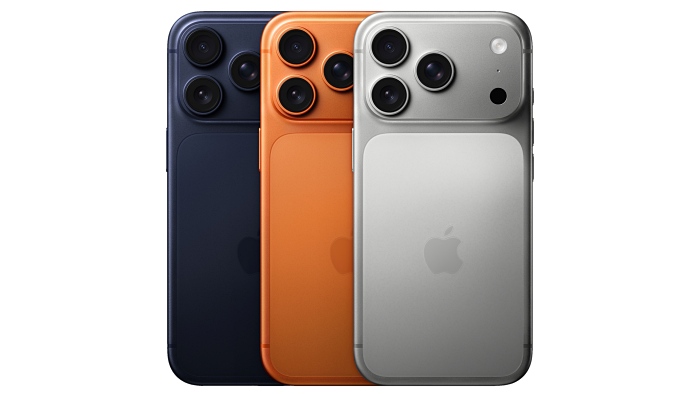
The rear design is also expected to be refined. It has been reported that Apple will soften the two-tone design that was controversial on the iPhone 17 Pro and instead strengthen a unified look by naturally connecting the colors of the aluminum and glass materials. New color options are also said to be in internal testing, raising the possibility of a wider range of design choices.
The A20 Pro chip is expected to sit at the core of performance. The chip is expected to be Apple’s first built on a 2-nanometre process, and wafer-level multi-chip module (WMCM) packaging technology is also expected to be applied. This is expected to improve both processing performance and power efficiency, while also significantly strengthening artificial intelligence computing. As a result, it is expected to be a key factor in lifting the perceived performance of the iPhone 18 Pro.
The camera system is also a key area for improvement. The main camera is expected to add a variable aperture, allowing finer control of depth expression depending on shooting conditions. Telephoto performance improvements and an expansion of shooting features aimed at pro users are also expected, strengthening the overall environment for photo and video production. This is an area where hardware upgrades and expanded software usability are expected to happen at the same time.
Battery performance is also expected to improve overall. Basic battery capacity is expected to rise slightly, while efficiency gains from the 2-nanometre-based A20 chip and Apple’s in-house C2 cellular modem are expected to extend real-world usage time. It is a structure in which hardware, communications modules and the chipset lift efficiency at the same time.
In communications, Apple’s in-house C2 modem is expected to be applied. As the shift continues toward reducing reliance on Qualcomm and switching to Apple-designed modems, it is seen as the third stage following the C1 on the iPhone 16e and the C1X on the iPhone Air. It is cited as a meaningful change in terms of connection stability and power efficiency improvements.
The camera control function is also likely to be revamped in a more simplified direction. It is expected to be redesigned around more intuitive operation rather than using various touch-based gestures as before, strengthening user convenience.
Overall, the iPhone 18 Pro series is focused more on raising the completeness of existing functions than on entirely new forms of change. With balanced improvements across key elements including design, performance, camera, battery and communications, enhancing the overall user experience is expected to be central.
 Kyoungmin Hong
hongm@d-today.co.kr
Kyoungmin Hong
hongm@d-today.co.kr