
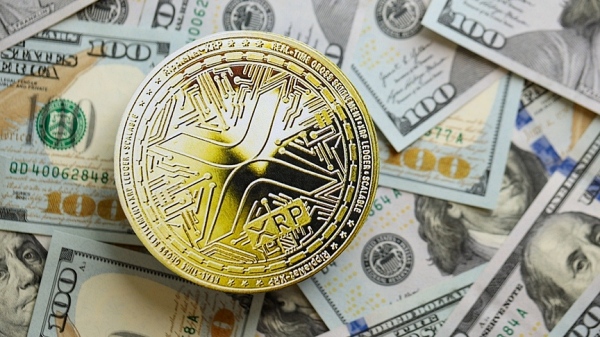
As demand among XRP holders rises again to borrow cash using tokens as collateral, a warning has been raised that borrowers should carefully weigh risks before taking out loans.
On June 3, blockchain media outlet The Crypto Basic reported that XRP analyst Jack Lektor stressed that crypto collateral loans are not a risk-free strategy.
Lektor first pointed to liquidity as an advantage. If holders pledge XRP as collateral without selling, they can raise cash while avoiding a taxable sale and remain exposed to potential future price gains. He stressed, however, that because this structure adds leverage to an investment position, it increases the risk of losses along with the potential for returns.
The biggest risk is XRP price volatility. If XRP prices plunge, the collateral value can fall quickly. If loan-to-value requirements are not met, it can lead to a margin call or forced liquidation. Lektor advised maintaining a conservative LTV to reduce these risks. He said the lower the LTV ratio, the larger the buffer to withstand a market downturn.
Checking borrowing costs was also cited as a key item. APR, upfront fees and a platform's liquidation policy should be reviewed together. In particular, borrowers should look at any grace period before liquidation and assess whether they can secure time to add collateral or repay part of the loan if market conditions move against them.
How a platform handles deposited XRP was also presented as a benchmark for assessing risk. Lektor said holders should check whether their XRP is re-lent or used as re-collateral. He said such a structure can create additional counterparty risk. He viewed transparency in collateral management as a core due-diligence factor before executing crypto collateral loans.
Lastly, Lektor stressed that crypto collateral loans should be viewed as a financial tool rather than a simple way to raise cash. He said that even if borrowers expect XRP prices to rise, they should not take out loans beyond what they can realistically repay.
The warning coincides with a renewed rise in interest in crypto collateral loans among digital asset investors. Demand is increasing to secure liquidity while continuing to hold assets, including XRP.
Against this backdrop, the XRP Ledger's XLS-66 proposal is also drawing attention. The proposal aims to introduce an institutional-grade credit market structure to the network. Some crypto analysts, including Bodi Karma, viewed XLS-66 as potentially providing XRP holders with a pathway to generate returns. It is not, however, an automatic interest payment model.
Under the structure, users deposit XRP into a special vault and receive a token representing their share. If the vault earns revenue from lending activity, the token's value rises, and users realise the gains when redeeming the token. XRP pooled in the vault is lent to institutions such as market makers, exchanges, payment providers and fintech companies.
The structure does not eliminate risk. Borrower defaults and potential liquidity constraints remain, and returns are not guaranteed. Ultimately, whether borrowing against XRP or using an XRP-based yield structure, investors should not focus only on price direction. They should also weigh collateral ratios, liquidation conditions, how platforms manage collateral and actual repayment capacity.
Thinking about borrowing against your XRP? Read this first. Borrowing lets you access cash without selling (no taxable event) but stacks leverage on top of your bags. Here is a quick checklist to consider before you borrow: ✅ XRP Volatility = margin call or liquidation…
 Yoonseo Lee
yslee@d-today.co.kr
Yoonseo Lee
yslee@d-today.co.kr