
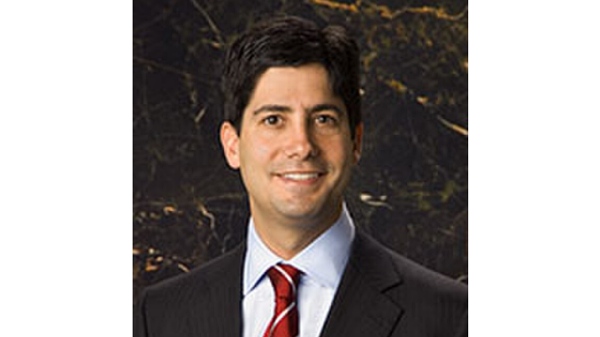
Kevin Warsh has formally taken office as the 17th chair of the U.S. Federal Reserve, turning global financial markets and the crypto market toward the new Fed leadership. Markets are watching whether Warsh will lean toward maintaining a tightening stance rather than cutting rates, as he has shown a hardline approach to fighting inflation and shrinking the balance sheet.
BeInCrypto, a blockchain outlet, reported on May 25 that Warsh took over as the 17th Fed chair after narrowly winning a Senate vote, succeeding Jerome Powell. He inherits sticky inflation, a $6.7 trillion Fed balance sheet and a crypto market that has become more sensitive to shifts in monetary policy.
The market's main focus is Warsh's monetary policy leanings. Since his time as a Fed governor, Warsh has criticised the Fed for becoming overly bloated after the 2008 financial crisis and for excessive market intervention. He left the Fed in 2011 after opposing additional quantitative easing, and has since consistently argued for balance-sheet reduction, normalising reserves and a strong response to inflation.
The U.S. benchmark rate target range is currently 3.50 to 3.75 percent. With the March U.S. headline consumer price index rising to 3.3 percent due to higher oil prices linked to Iran, markets see it as difficult for the Fed to move toward aggressive rate cuts this year. The Fed's March dot plot also reflects only one cut on a 2026 basis.
Against that backdrop, investors are factoring in the possibility that the Warsh-led Fed will put more weight on strengthening quantitative tightening and shrinking liquidity than on near-term rate cuts. At his Senate confirmation hearing, Warsh said, "If inflation becomes entrenched in the economy, it costs much more to bring it down," and added that "policy mistakes over the last 4 to 5 years still remain." He also stressed that a "regime change" is needed in how the Fed conducts policy.
In the crypto market, Warsh's pro-bitcoin leanings are also drawing attention. He is seen as one of the Fed chairs to have shown one of the most openly favourable stances toward digital assets. Warsh previously referred to bitcoin as a "sustainable store of value" and expressed a negative view on issuing a retail central bank digital currency. He has also said crypto has already become part of the U.S. financial system.
His asset-disclosure documents are also said to include digital-asset exposure worth more than $100 million. His investments are reported to span bitcoin payment infrastructure, layer-1 networks and DeFi projects.
As a result, markets are taking in conflicting signals at the same time. A hawkish Fed could weigh on risk-asset prices, but the view that the Fed chair recognises bitcoin as a long-term store of value could strengthen the case for crypto's integration into the mainstream financial system.
Warsh also signalled changes in how the Fed communicates. He believes the existing communication model centred on the dot plot and forward guidance has increased market distortions, and he is said to be likely to prefer fewer hints and greater policy discretion. That could increase market volatility in the short term, but Warsh sees it as a way to restore trust in the Fed.
His move to keep distance from politics also drew attention. During the handover process, Warsh said he would not act like anyone's puppet. That was interpreted as a remark made with President Donald Trump in mind, as Trump has kept up pressure for rate cuts.
Markets are now turning to the next Federal Open Market Committee meeting. Whether Warsh will push ahead with balance-sheet reduction and a stronger tightening stance, or maintain some continuity with existing policy, is emerging as a key variable for the dollar, U.S. stocks and risk assets such as bitcoin.
 Jinju Hong
hongjj@d-today.co.kr
Jinju Hong
hongjj@d-today.co.kr