
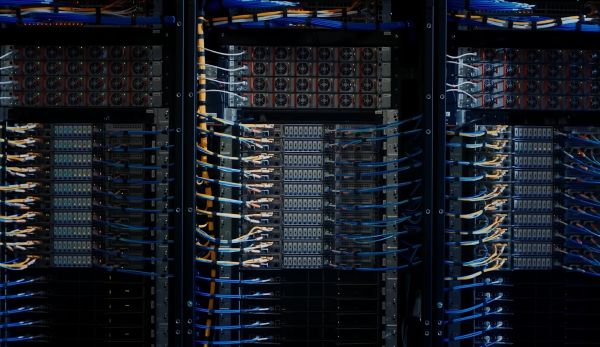
A study has found that data centres around Phoenix, Arizona, could raise temperatures in surrounding areas by as much as 4 degrees.
On May 19, IT outlet TechRadar reported that researchers at Arizona State University analysed how heat discharged from air-cooled data centres can travel with the wind, intensify the urban heat island effect and increase health risks for residents.
The researchers studied 4 data centres in the Phoenix area and compared temperatures upwind and downwind. The sites ranged from a 36-megawatt data centre in Mesa to a 169-megawatt campus in Chandler. The researchers said the facilities could emit heat equivalent to that produced by up to 40,000 households.
Measurements showed temperatures at the data centre sites were 14 to 25 degrees higher than the surrounding air. The heat moved with the wind as a thermal plume and raised downwind temperatures by 1.3 to 1.6 degrees on average. In the highest case, a reading was 4 degrees higher than at the same location before the data-centre wind arrived.
David Sailor (데이비드 세일러), dean of the School of Geographical Sciences and Urban Planning at Arizona State University, said data centres could have a very large impact on daily life even if they add only 1 or 2 degrees to heat island intensity. Sailor said additional temperature increases can heighten health risks beyond simple discomfort.
The problem is that heat emissions can also lead to higher electricity use. The researchers said that even a 1-degree rise in temperature increases cooling demand in residential and commercial areas, and heavier air conditioner use can in turn generate additional heat. That means data centre heat could create a structure that increases both a city’s overall cooling burden and heat emissions.
The researchers proposed that urban planning should incorporate data centre heat emissions as a separate variable. Sailor and his co-researchers said industrial developers and local governments should consider these effects when selecting sites, and should examine placing buffer zones such as green belts, wooded areas and parks between data centres and densely populated residential areas.
The study also shows that local pushback against data centres is not limited to strain on power grids or water issues. The researchers pointed to heat emissions as one reason residents oppose planned or already built data centres near their communities.
As AI spreads and large data centres running thousands of GPUs increase rapidly, managing heat is extending beyond internal facility efficiency into urban environment and public health issues. The Phoenix case shows the need to weigh cooling methods and buffer design around sites when expanding data centres.
 Jinju Hong
hongjj@d-today.co.kr
Jinju Hong
hongjj@d-today.co.kr