
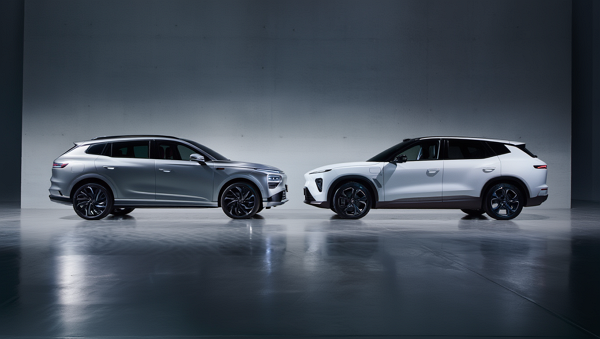
Chinese electric vehicle makers are shifting their focus to competition over in-car AI functions as a prolonged price war drags on. On May 1, CNBC reported that competition that had centred on battery range, driver assistance systems and automotive semiconductors has now expanded to in-car AI functions overall.
The change is tied to consumer demand for connected features. As demand grows for interfaces linked to Huawei smartphones and voice-based assistants such as Doubao, companies are putting in-car AI functions at the forefront.
ByteDance's cloud platform Volcano Engine said at the Beijing motor show last week that more than 50 car brands use its AI model Doubao. Doubao has been applied to 145 models and more than 7 million vehicles. It has also been included in new models from overseas brands such as Mercedes-Benz's all-electric GLC, SAIC Audi's E7X and SAIC Volkswagen's ID. ERA 9X.
Fermin Soneira (페르민 소네이라), chief executive of the Audi-SAIC cooperation project, said ahead of the motor show that he would continue to raise the pace of integrating new functions. He also said vehicle technology can be deployed quickly through over-the-air software updates, but sales pressure remains. He said the price war is unlikely to stop within the next month because production capacity is already in place.
The market is seeing the price war shift into competition over features tied to in-vehicle technology, especially cockpit technology. AlixPartners analysed that among the top 20 selling EV models in China, vehicles priced above 100,000 yuan showed similar levels of driver assistance and in-car entertainment functions. Stephen Dyer (스티븐 다이어) said technology spreads so quickly that it is difficult to sustain differentiation for long.
Chinese companies are also expanding competition to experiences outside the vehicle. Nio offers dedicated products and clubhouse access benefits along with vehicles that use premium interior materials. Still, the cost burden of such benefits and slowing market growth remain pressures. Nio said last week that the ES8 was the first model in the market priced above 400,000 yuan to deliver 100,000 vehicles in 215 days.
Alibaba also announced last week it would install its AI model Qwen in vehicles made by BYD and Volkswagen's local joint venture. The system supports ordering food delivery, booking hotels, buying attraction tickets and tracking parcels through voice commands. It runs on Nvidia's automotive chip system and was designed to work even in environments with limited network connectivity.
The key to the current trend is that the benchmark for competition among Chinese EV makers is shifting from price to in-car software and service experience.
 Hyunwoo Choo
cookinpapa@d-today.co.kr
Hyunwoo Choo
cookinpapa@d-today.co.kr