
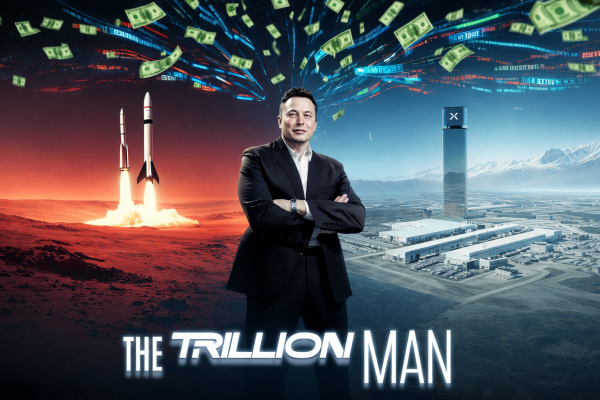
SpaceX has included in its IPO filings a structure that would effectively guarantee Elon Musk (일론 머스크) control even after an initial public offering, it was reported.
On April 29, blockchain outlet Cryptopolitan reported that SpaceX designed a governance structure that would prevent Musk from being forced to step down as CEO or board chair without his consent even after listing.
The centerpiece is a dual-class voting structure. SpaceX plans to allocate Class A shares to ordinary investors and Class B shares with 10 votes per share to insiders. Musk will hold a majority of the Class B shares, giving him effective final control over executive changes and major decisions. The filings also warn that the structure could limit or exclude shareholders' influence on company decisions.
The offering is also drawing attention for its size. SpaceX is targeting $75 billion in fundraising and a valuation of about $2 trillion. Morgan Stanley, Goldman Sachs, JPMorgan, Bank of America and Citigroup are serving as underwriters. Based on 2025 revenue of $15.6 billion, the price-to-sales ratio exceeds 100, prompting criticism that it is more expensive than S&P 500 constituents.
The market is also focusing on protecting small investors. SpaceX Chief Financial Officer Brett Johnson (브렛 존슨) said retail participation is key to the deal and will account for a larger share than any IPO in history. Up to 30 percent of total shares are set to be allocated to ordinary investors.
Financial advisory circles say investors should be cautious about buying on the first day of trading. Matthew Parenti (매슈 파렌티), a partner at Chicago-based Private Vista, said SpaceX, unlike Apple, Amazon and Meta, is listing in its 24th year after much of its valuation increase has already been reflected in the private market, meaning expectations for long-term returns should be lowered.
The lockup expiration is also cited as a variable. Insiders and employees are typically barred from selling shares for 180 days after listing, and the lockup in this case is expected to end between mid-December and late December 2026. If large volumes of insider shares acquired at low prices hit the market then, it could increase price pressure for investors who bought on initial expectations.
Musk's compensation scheme is also drawing renewed attention. The SpaceX board in January approved a compensation plan to grant Musk up to 200 million restricted Class B shares if the company's value reaches $7.5 trillion and it builds a permanent settlement on Mars with more than 1 million residents. Musk's current salary is about $54,080.
SpaceX appears to be mindful of such doubts, holding closed-door briefings in Texas and Tennessee and showing major business hubs to analysts. With expectations for a blockbuster IPO, governance, valuation and the overhang of lockup shares are emerging as key variables ahead of listing.
 Jinju Hong
hongjj@d-today.co.kr
Jinju Hong
hongjj@d-today.co.kr