
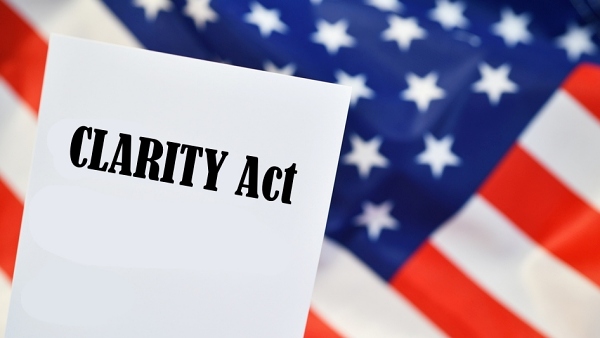
A U.S. cryptocurrency regulatory bill known as the Clarity bill is increasingly likely to hit another snag in the Senate. Disagreements over ethics provisions are surfacing, widening uncertainty despite expectations it could pass this year.
On April 27 local time, blockchain outlet The Block reported that Republican Senator Thom Tillis said he would oppose the bill if it does not include ethics-related language. A member of the Senate Banking Committee, he has taken part as a key figure in negotiations, raising the likelihood his remarks could directly affect the bill’s trajectory.
In an interview, Tillis said an ethics provision must be included before the bill passes the Senate. He stressed he could switch from supporting it to opposing it if that does not happen. That makes ethics rules a new variable, alongside the existing dispute over stablecoin revenue.
In political circles, some analysis says the issue is intertwined with specific interests. Jarrett Seiberg of investment bank TD Cowen said in a memo that the ethics provision could affect businesses linked to U.S. President Donald Trump’s family. He assessed that Tillis was unlikely to back down on the matter.
Tillis’ influence has already been reflected in the bill’s timetable. He recently asked Senate Banking Committee leaders to delay consideration of the bill until May, and has led negotiations over key stablecoin issues. Seiberg said, "Tillis has an excessive level of influence on the future of the bill," and said the remarks showed his willingness to exercise it.
In the market, expectations remain that the bill could still pass this year. That is because the cryptocurrency industry’s political influence is expanding, and Republicans are also advancing a plan to make the United States a global hub for digital assets. TD Cowen, however, is maintaining a cautious stance on the likelihood of passage despite those expectations.
A key difficulty is that designing the ethics provision itself is not easy. If the rules apply only after the next president takes office, it may not affect the Trump family’s current businesses. But Seiberg said Democrats or Tillis are unlikely to accept that approach. On the other hand, provisions that restrict even current business interests could be difficult for Trump to accept.
Political calculations are also a factor. Tillis is not expected to seek re-election, meaning he faces relatively less political pressure to align with Trump. That has led to analysis that he is likely to steer negotiations toward emphasizing conflict-of-interest prevention.
In this way, the clash over ethics provisions is turning the Clarity bill into a high-difficulty negotiating task tied up with political interests, rather than a simple industry regulatory measure. What level of ethical standards will be agreed in Senate discussions that resume after May is emerging as a key variable that will determine the speed of the bill’s progress.
 Jinju Hong
hongjj@d-today.co.kr
Jinju Hong
hongjj@d-today.co.kr