
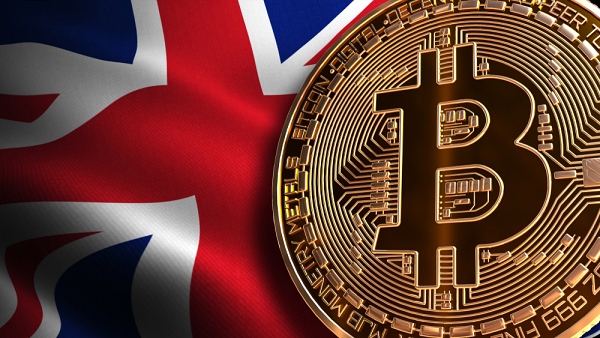
Former British Prime Minister Liz Truss (리즈 트러스) has taken a favourable view of bitcoin, blaming currency debasement and misguided monetary policy for Britain's long-term economic stagnation.
On April 18, blockchain outlet CoinDesk reported that Truss said the British economy has been stagnant for decades and that the key problem is the pound's loss of value driven by inflation and new money issuance.
Truss led a Conservative government for 45 days in 2022. She said the current financial situation has increased interest in bitcoin. Bitcoin is discussed among some market participants as a way to respond to declines in the value of fiat currencies. Truss said she first encountered bitcoin while working at the Treasury and at times raised the topic to shake up the atmosphere. She served as Chief Secretary to the Treasury for about 2 years until July 2019.
In an interview, Truss said, "A lot of our problems stem from currency debasement and the absence of sound money." She said serious discussion about money has disappeared in academia and government and that debate on monetary policy has become taboo within government. She argued that open debate is blocked even though it is a core issue that shapes economy-wide outcomes.
Her comments on bitcoin went beyond viewing it as a simple investment asset and were tied to concerns about expanding state control. Truss warned the current system is designed to tighten centralised control through regulation and taxation and to restrict financial independence. She presented bitcoin as one pillar of resistance to that trend.
Her diagnosis of the British economy was also hardline. Truss said the economy is on a very negative path and argued that weak growth, tighter state control and monetary policy failure could bring long-term decline. She said Britain is becoming relatively poorer very quickly and that high taxes, regulation and energy costs mean entrepreneurs are not sufficiently rewarded for taking risks. She said this structure is sharply reducing motivation to work and start businesses.
She also stuck to her view on the fallout from the mini-budget of former finance minister Kwasi Kwarteng (크와시 크워텡), which is assessed as having fuelled market turmoil during her time as prime minister in 2022. Truss argued the turmoil did not create new problems but exposed vulnerabilities that had been hidden in markets. She said, "There was a powder keg in the system that people didn't know about," citing pension strategies that used leverage as an example.
Since leaving politics, Truss has focused on building a new political movement. She is pushing CPAC UK, a 3-day event aimed at bringing together activists, entrepreneurs and what she called voices from the camp of sovereignty and freedom. Truss said there needs to be a movement of people who understand what the problem is.
She also said Britain does not have many options going forward. Truss said, "We only have two choices. End, or change," and made clear she intends to elevate debate over the economic and monetary system into a political agenda.
 Jinju Hong
hongjj@d-today.co.kr
Jinju Hong
hongjj@d-today.co.kr