
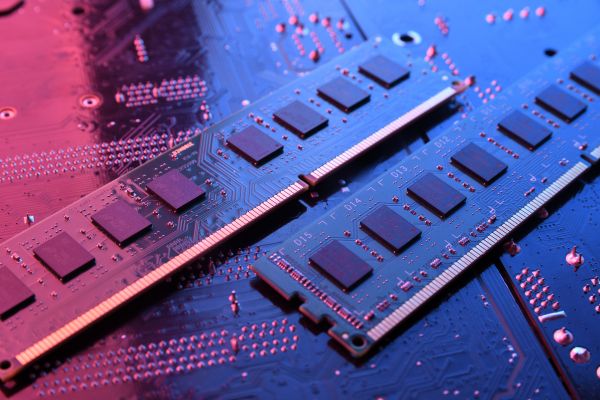
PC memory (RAM) prices are showing signs of easing in some regions, but an analysis says they remain high enough that it is hard to call this a good time for consumers to buy.
On April 4, IT outlets TechRadar and Tom's Hardware reported that RAM kit prices have started to edge down across some distribution channels in parts of Europe, the United States and China.
The adjustment is seen as being driven more by shrinking demand than by increased supply. The outlets pointed to consumers no longer buying RAM at prices they cannot afford, prompting the market to react. Prices for 32GB and 64GB RAM kits have surged in recent months to levels comparable with prebuilt PCs or game consoles, sharply cutting purchases, and distributors have moved to adjust inventories, the report said.
One driver is concentrated memory demand from AI data centres. As large-scale AI infrastructure expands, it absorbs large volumes of DRAM, pushing the consumer market down the priority list. The analysis said supply pressure in the consumer market has intensified as major companies including Micron Technology focus on enterprise and AI demand.
Still, the structure may be starting to shift. Memory compression technologies such as Google’s TurboQuant have emerged as a variable because they could reduce DRAM use in AI systems. In that case, memory demand from AI companies could ease somewhat, raising expectations that supply could gradually return to the consumer market.
Even so, the current price level is still seen as abnormal. The Corsair Vengeance RGB Pro DDR4 32GB sold for about 54.99 pounds in late 2024 but has recently risen to around 273.99 pounds, more than quadrupling. Some prices are starting to fall, but they remain high compared with the past.
Experts are urging consumers to be cautious. The outlet warned that if buyers rush in as soon as prices dip slightly, the current high price range could solidify as a new standard. It said a premature rebound in demand could delay price normalisation.
A key question is how quickly memory prices return to a normal range. DDR4 products are still trading at elevated levels, and DDR5 is also seen as costly despite only modest upgrades. The industry believes more time is needed for the market to stabilise.
Ultimately, the signal that RAM prices are easing is clearly positive, but the analysis said consumers may need patience and should watch for further declines rather than upgrade immediately.
 Jinju Hong
hongjj@d-today.co.kr
Jinju Hong
hongjj@d-today.co.kr