
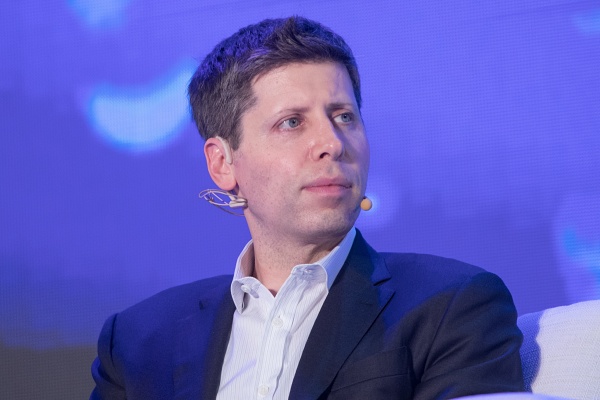
OpenAI’s shutdown of its video-generation artificial intelligence (AI) platform Sora halted Disney’s plans to apply its characters. Sam Altman (샘 알트먼), OpenAI’s chief executive, drew attention after saying he told Disney CEO Josh D’Amaro first about the decision and that it was painful to tell him.
On April 2, entertainment outlet Variety reported that Altman explained the reason for ending Sora on Mostly Human. He said OpenAI needed to focus its computing resources and product capacity on developing next-generation automation researchers and running the company.
Disney did not expect Sora to be shut down and put on hold a plan to invest $1 billion, or about 1.507 trillion won, in OpenAI. The idea the two sides were pursuing was to license more than 200 Disney characters, including Iron Man, Cinderella and Mickey Mouse, to OpenAI so users could create AI versions of the characters with Sora and upload them to Disney+.
Altman said he intended to continue cooperation with Disney. He said, "I still like Sora, generative AI video, and the partnership with Disney," adding, "They are still working hard to find a world where they can do cool things, and we can help." D’Amaro also replied on the call, "I understand," but was also said to have said, "It is always sad to disappoint partners, users and the team."
Altman said there had also been several cases in the past where he ended other projects based on priorities. He said that during GPT-3, OpenAI also shelved several projects that had been producing results, including robotics, to concentrate computing resources and research staff.
He also made his position clear in governance debates over AI rules. He said, "One of the most important questions the world has to answer within the next year is whether AI companies are stronger or governments are stronger," adding, "I think governments should be stronger. Decisions about the most important elements of national security should be made through democratically elected processes." He argued that given AI’s impact on geopolitics and cyber security, it is undesirable for technology companies to hold control on their own.
There are two points to watch in the industry. First is what alternative cooperation models partner companies will develop as OpenAI shifts its top priority to agents and next-generation models over mass-market creative products like Sora. Second is how OpenAI will engage in policy discussions when the boundary of AI authority between government and the private sector becomes entwined with national security, supply chains and freedom of expression and leads to actual rule design.
 Yoonseo Lee
yslee@d-today.co.kr
Yoonseo Lee
yslee@d-today.co.kr