
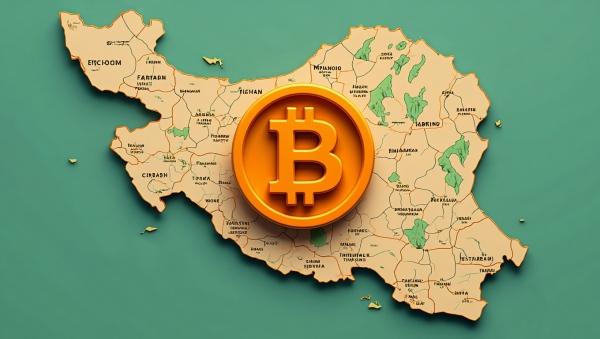
An analysis said rising tensions in the Middle East and a surge in oil prices are blocking direction in the crypto market and pushing investors into wait-and-see mode.
On April 2 local time, blockchain media outlet CoinDesk said crypto asset manager Grayscale said in a report that geopolitical risks are clouding an “improving macro environment.”
Grayscale’s research team said, “In March, the Iran war effectively overwhelmed almost every other market variable.” Before the war intensified, global growth trends were improving and major central banks were seen leaning toward rate cuts. But a sharp rise in oil prices increased inflation concerns, lifted market expectations for interest rates again and weighed on risk assets broadly, Grayscale said.
Crypto prices also reflected these “headline-driven” moves. The report said volatility increased after the conflict broke out, but the market generally stayed range-bound. Bitcoin (BTC) slid to the mid-$60,000s in the first escalation phase and then rebounded to the low $70,000s, but turned weak again as clashes continued and macro conditions shifted back toward tightening, it said. Grayscale added that in the latest renewed escalation, bitcoin fell about 10 percent from its March high and major tokens such as Ethereum (ETH) also declined, strengthening risk-off flows.
Even so, it also assessed that performance held up against traditional financial markets. The report said bitcoin mostly stayed flat after the war began and in some stretches outperformed equities, stressing that it is sensitive to macro shocks while showing relative resilience.
It flagged “resolving uncertainty” as a key point to watch. Grayscale said many participants are likely to wait for clearer signals for the time being. If energy prices calm and the conflict eases, the market could quickly price in a more favourable macro environment, it said. If oil prices stay elevated, it could weigh on growth and delay a recovery, it added.
Grayscale added that periods of heightened uncertainty have historically offered long-term investors a chance to prepare for the next growth phase. But in the short term, oil prices, rate expectations and geopolitical issues will shape risk-asset sentiment, so war-related developments and energy-price moves are likely to be variables determining whether crypto breaks out of its trading range.
 Yesle Kim
yeseulkim911@d-today.co.kr
Yesle Kim
yeseulkim911@d-today.co.kr