
[Digital Today reporter Ho-jeong Lee (이호정)] Major South Korean game companies are unveiling a series of large projects that use Korean folklore and classic literature as core worldviews. As K-dramas and K-pop gain global popularity and overseas users become more familiar with Korean culture, the companies aim to use Korean narratives as a point of content differentiation.
South Korean game companies have long been reluctant to put Korean culture at the forefront of game development. They cited difficulty in targeting overseas users unfamiliar with Korean culture. That stance shifted after K-content spread globally. As overseas users encountered Korean sensibilities through K-dramas and K-pop, preferences changed. The global success of titles based on domestic traditional culture, such as Japan's "Sekiro: Shadows Die Twice" and China's "Black Myth: Wukong", also provided grounds for a strategic shift in the global console market.
From Jeon Woo-chi to dokkaebi and masks, companies set projects in motion.
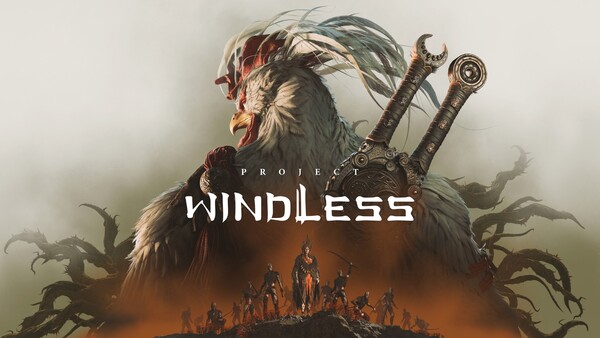
Krafton is developing the open-world action RPG "Project Windless" based on the worldview of "The Bird That Drinks Tears", a fantasy novel by author Lee Young-do that has built an independent fan base for more than 20 years. The project expands the original IP into a triple-A scale title, incorporating Korean traditional elements across the setting such as brush and ink and a dokkaebi hat. It first revealed an official trailer on Feb. 13 through Sony PlayStation's digital showcase "State of Play". Krafton Montreal Studio is developing it in cooperation with the Pangyo headquarters team and is preparing a global release for PC and consoles.
Nexon Games is developing the single-player action-adventure game "Woochi the Wayfarer", inspired by the Korean classic novel "Jeon Woochi-jeon". Set in a fictional Joseon era, it is a third-person action title depicting the adventures of the Taoist Jeon Woo-chi. It is also the first PC and console-only title attempted by its subsidiary, Lorevolt Studio. The game puts forward designs that modernly reinterpret traditional Korean goblins and monsters such as dokkaebi and gumiho, and it conducted location hunting by visiting cultural heritage sites nationwide to recreate the Joseon era. Music director Jung Jae-il, who worked on the music for the film "Parasite" and the Netflix series "Squid Game", is in charge of gugak-based music to enhance narrative completeness. It is also the lead project in the "big game" strategy pushed by Nexon Games CEO Yong-hyun Park, who led the success of major titles such as "Blue Archive".
Wemade Max, through development subsidiary Mad Engine, is taking aim at the global console market with the open-world action RPG "Project TAL", which modernly reinterprets Korean traditional masks and myths and folklore passed down for hundreds of years. It aims to build a differentiated aesthetic that can also appeal to Western users by making the forms and symbols of traditional masks the core material of the worldview. The first trailer, released in October last year, surpassed 1 million views in three days on PlayStation's official YouTube channel, drawing an unusual global response for a new IP. The target is a simultaneous global launch on PC and consoles in 2027.
Beyond mobile MMORPGs, exporting worldviews as competitiveness.
A common feature of the three projects is that they place uniquely Korean material at the center of the worldview and narrative, not as background devices. The approach goes beyond a simple "Korean-style" aesthetic and uses the narrative structure of traditional folklore and classic literature itself as the foundation of the games.
All three titles also stand out for choosing PC and console platforms. Rather than targeting the mobile MMORPG market, where South Korean game companies have long been strong, they are directly aiming at the global video game market. Putting Korean narratives front and center is a content differentiation strategy, but it is also read as a sign of a structural shift in the industry toward breaking away from a mobile-centered success formula and exporting the worldview itself as competitiveness.
A game industry official said, "Attempts to incorporate Korean cultural material into games have existed for a long time, but it is rare to see cases like this that simultaneously target triple-A scale budgets and global console releases." The official added, "The direction of follow-up projects will also be determined depending on how these works perform in the market."
 Ho-jeong Lee (이호정)
lhj@d-today.co.kr
Ho-jeong Lee (이호정)
lhj@d-today.co.kr