
[DigitalToday reporter Hyunwoo Choo] Virtual reality (VR) and augmented reality (AR) were once the future companies dreamed of. They drew expectations as innovative technology that would let people ditch screens and mice and work with their hands free.
But as time passed, it became clear those promises were no more than empty illusions. Microsoft’s HoloLens disappeared, and Google Glass is nowhere to be found. Now even Meta’s Quest Pro has vanished into history. The IT outlet TechRadar reported on Feb. 14 (local time).
When Facebook acquired Oculus in 2014, Mark Zuckerberg (마크 저커버그) sought to create a new world. But 10 years on, it was little more than Meta following the path of Google, which acquired Android.
Meta tried to use VR as an escape from the smartphone OS monopoly, but companies realised VR’s limits early. Features like X-ray vision did not exist, and the software was unstable. It was uncomfortable for long use, compounded by motion simulator syndrome. Cost issues added to the problems.
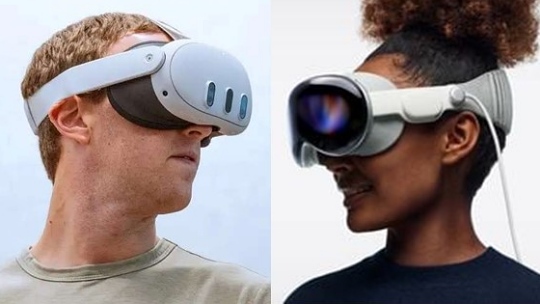
The cost of developing and manufacturing VR headsets was high, and prices were also a burden for consumers. Apple Vision Pro is a representative case. High prices also affected the games industry. Quest sales were tiny compared with smartphones, and the structure made it hard for developers to earn revenue. Even Microsoft’s Xbox Series X/S sold more than Quest. Meta pushed Quest with subsidies, but in the end it only forced other rivals out of the market.
VR was once a symbol of technological innovation, but it is giving way as AI rises. As companies now study AI-based AR glasses, VR’s future has become even less clear.
 Hyunwoo Choo
cookinpapa@d-today.co.kr
Hyunwoo Choo
cookinpapa@d-today.co.kr