
A proposal has been raised to convert a telecom fee discount scheme for vulnerable groups into a "digital voucher" model. The idea is to provide vouchers that support AI, digital content and even device purchase costs to deliver an effect equivalent to telecom fee discounts.
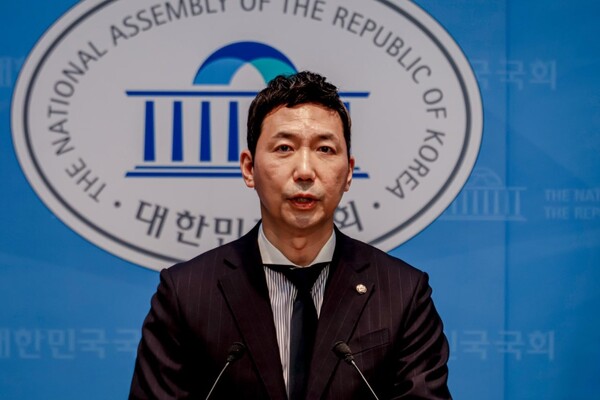
Lee Jeong-heon (이정헌), a lawmaker from the Democratic Party on the National Assembly's Science, ICT, Broadcasting and Communications Committee, called on Oct. 23 for such institutional improvements. He said the current telecom fee discount system does not sufficiently reflect the changed digital consumption environment.
The current scheme reduces telecom fees for people with disabilities, low-income groups and basic pension recipients. With digital spending diversifying to include AI, content and platform fees, support focused on telecom fees alone makes it difficult to meet user demand, the criticism says.
According to the National Data Portal's household trend survey cited by Lee, the share of telecom services in household ICT spending fell to 60 percent in 2025 from 79 percent in 2012. Over the same period, the share of digital content rose to 13 percent from 7 percent, and digital devices increased to 27 percent from 13 percent.
Questions were also raised about how costs are shared. The Korea Telecommunications Operators Association (KTOA) said telecom companies' fee discounts for vulnerable groups rose about threefold to 1.4 trillion won in 2025 from 463 billion won in 2017. Lee's office said cost-sharing by content and device businesses has not taken place.
Lee said an amendment to the Telecommunications Business Act that he introduced as the primary sponsor in October 2024 proposed having the government pay and manage digital vouchers for vulnerable groups. It includes provisions to impose universal service obligations not only on facilities-based telecom operators above a certain standard period, but also on value-added service providers.
Lee said, "We must guarantee not only the right to be connected to telecommunications but also the right to use digital services including AI." He added, "We need to change the welfare system in a direction where users choose the support they need and the government and businesses in the digital ecosystem share responsibility."
 Jin-ho Lee
jhlee26@d-today.co.kr