
U.S. big tech companies have begun reporting third-quarter earnings that could indicate the scope of next year’s orders for South Korean memory makers. The market is split on the sustainability of the AI industry, and is watching the AI capex plans big tech firms will lay out in their results. Much of the spending is expected to go to AI servers that use memory, offering clues to further memory business growth at Samsung Electronics and SK hynix.
Meta on Oct. 21, local time, became the first big tech company building AI infrastructure to report third-quarter results and outline its investment plans. Meta spent $34.91 billion in capital expenditures in the third quarter to build data centres and secure AI chips. It raised the low end of its full-year capex outlook to $135 billion. Meta has raised the outlook several times this year. Third-quarter revenue also beat market expectations on strong advertising. Meta Chief Financial Officer Susan Li (수전 리) said, "AI investment is already increasing advertising revenue." Meta also said it will keep investing in projects linked to AI and growth in its core businesses.
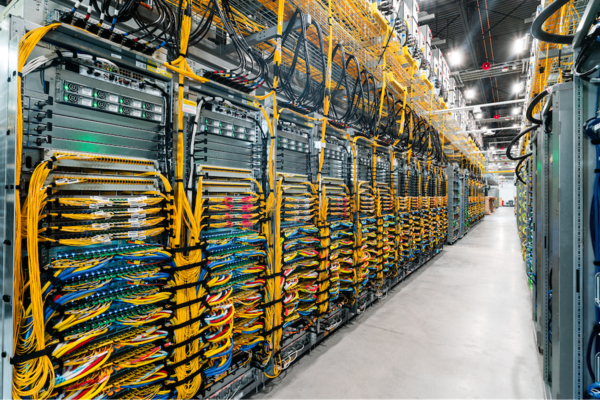
The first report of earnings season produced no signal of investment cuts. A significant share of big tech capex goes to AI servers that contain memory. Alphabet previously said about 60 percent of its second-quarter technology infrastructure investment went to servers. Microsoft also said it spent most of its April-June investment on short-term assets such as graphics processing units and central processing units. These AI servers use memory made by Samsung Electronics and SK hynix. Alphabet, Microsoft, Amazon and Meta have all said demand exceeds supply capacity.
Until now, semiconductor shares have remained weak due to concerns about the profitability of AI investment and an uneasy mood over funding. Kiwoom Securities said the Philadelphia Semiconductor Index and domestic semiconductor stocks fell day after day as AI credit concerns linked to CoreWeave persisted.
Another source of concern is that big tech companies’ cash capacity is shrinking as investment scales grow. Free cash flow is cash earned from operations minus investment, and shows how much room a company has for additional investment. Alphabet, for example, posted negative free cash flow in the second quarter, and its long-term debt at the end of June was more than double the level at the end of last year. Kiwoom Securities said market brinkmanship has intensified as views that see expanding real demand and a continuing investment cycle clash with views that focus on profitability concerns and funding risks.
The market is already reacting, with foreign buying returning to South Korean semiconductor stocks even before Meta’s results. On Oct. 21, AI infrastructure shares such as semiconductors and power equipment led gains in the local stock market. Foreign investors net bought Samsung Electronics for a fourth straight session that day, while SK hynix returned to net buying for the first time in 19 sessions, Kiwoom Securities said. Kiwoom Securities judged that foreign selling pressure focused on semiconductors is easing compared with before.
Meta’s results are seen as having eased concerns about an investment pullback, at least for now. Kiwoom Securities said Meta’s decision to keep the upper end of its annual investment outlook unchanged helps reduce worries of a cut in AI investment. Meta shares also rose in after-hours trading after the earnings release.
At the current point, there is more evidence supporting the possibility that the range of memory orders will expand. Based on what big tech has said so far about next year’s investment direction, Meta said it is drawing up next year’s capex budget and capacity plans. Alphabet in July signalled that next year’s capex would rise significantly to match growing demand. Microsoft said quarterly capex in July-September would exceed $50 billion, stepping up the pace of investment. AI chip suppliers offered the same direction in their outlook. Nvidia said it expects capex by the top five cloud companies to reach $1.3 trillion next year.
Alphabet and Microsoft will release third-quarter results on Oct. 28, local time, and Amazon on Oct. 29. Whether the three companies increase next year’s investment from this year despite cash-flow burdens, like Meta, is expected to determine the scope of memory orders. The three companies will also disclose cloud revenue growth rates.
The question is also whether revenue figures that support increased investment will emerge. Amazon Web Services, Amazon’s cloud business, accelerated growth for five consecutive quarters through the second quarter. The market will also check whether some of the contracts already secured are concentrated among a small number of customers. Microsoft’s commercial remaining performance obligations, which are contracts that will be recorded as revenue in the future, rose 25 percent from a year earlier excluding OpenAI contracts. That is about one third of the overall growth rate.
 Seok Dae-geon
d2dg@d-today.co.kr