
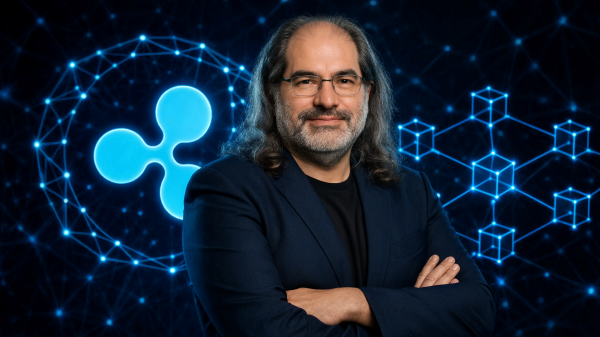
David Schwartz (데이비드 슈워츠), former chief technology officer of Ripple, defended the XRP Ledger's (XRPL) low transaction fees and pushed back against judging a blockchain's value based only on fee revenue.
Blockchain outlet U.Today reported on Oct. 5 that Schwartz, on X, stressed that the interests of users who pay fees should be considered as well as those who collect them.
The discussion began after a user asked about the impact of XRPL's low fees on market valuation. The user said investors and analysts are increasingly valuing layer 1 blockchains by fee revenue and argued that XRPL, with a base fee of less than 1 cent, could be undervalued under that standard.
The user noted that XRPL transaction fees are not paid to validators but are burned. The user argued that the market is overlooking that the mechanism permanently reduces XRP supply rather than building up fee revenue for someone.
According to XRPScan data, 14,403,762 XRP have been burned since XRPL launched, about 0.014 percent of the initial issuance of 100 billion. The user suggested raising the base fee by 10 times or 100 times through validator voting to increase the amount burned, saying transaction costs could still remain below 1 cent even after such an increase.
Schwartz replied that fee revenue is not an appropriate metric for valuing a blockchain. Fees, he said, indicate transaction costs and friction that a network failed to reduce. He said high fees may benefit those who collect them, but stressed that the interests of users who pay them should also be considered.
The dispute in the conversation centers on whether to prioritize expanding the burn amount or reducing user costs. While the user raised the possibility of increasing burns through higher fees, Schwartz said user cost burdens should also be considered when evaluating a blockchain.
Higher fees would increase the amount of XRP burned per transaction while also raising costs for users. The discussion showed it is difficult to judge XRPL's competitiveness based only on fee revenue, given the need to consider how a larger burn would affect actual network usage.
@Holo_Thunder I think fee revenue is a terrible metric since it measures how much friction the chain *didn't* remove. If you represent the people who collect the fees, then fees are great. But what about the people who *pay* the fees? Who cares about their interests?
 Yoonseo Lee
yslee@d-today.co.kr
Yoonseo Lee
yslee@d-today.co.kr