
Search results for GPTZero

AI & Enterprise
AI writing detectors fuel era of distrust, with human work under suspicion
AI detection tools are spreading in classrooms and online writing spaces, adding a new layer of distrust. As generative AI tools such as ChatGPT, Gemini and Copilot proliferate, scrutiny is shifting from plagiarism checks to identifying AI-written text. Surveys show many U.S. teachers use detectors, but their judgments are less transparent and can misclassify non-native English writers. Publishers and schools face disputes and lawsuits, while some universities limit or disable detectors and adjust assessment methods.
AI & Enterprise
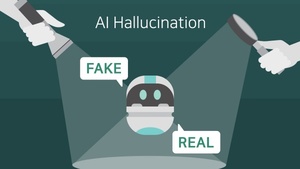
KPMG AI use-case report riddled with false information due to AI hallucinations
A KPMG report on AI use was found to include numerous false case studies based on AI hallucinations, the Financial Times reported. The report, titled “Redefining excellence in the age of agentic AI,” described fabricated AI adoption examples involving UBS, Britain’s National Health Service, Swiss Federal Railways and Transport for London. GPTZero first identified the errors and the FT verified them. KPMG removed the report while investigating.
AI & Enterprise
Google Gemini leads in human-like writing as ChatGPT gets flagged
Google\'s Gemini was rated as producing output that most closely resembled human writing among major AI chatbots. TechRadar, citing an experiment by Open Resource Application, compared results from 12 widely used chatbots given the same long-form article task. Gemini had the lowest detection rate across tools, including zero detection on QuillBot. ChatGPT scored relatively poorly. Detection performance differed sharply by platform, raising concerns about inconsistent outcomes in schools and workplaces.