
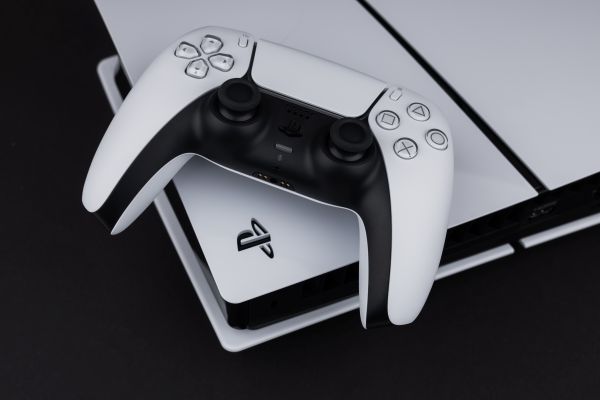
Sony has formally told a U.S. federal court that digital games bought on the PlayStation Store are not goods users own but licences they receive. The company is responding to a class action that says using the term "purchase" in buying digital games misled consumers into thinking ownership was transferred.
Blockchain outlet Decrypt reported on Aug. 31, local time, that Sony argued in a brief filed in U.S. federal court on Aug. 21 that a reasonable consumer would not be misled into believing they obtain ownership when buying a digital game on the PlayStation Store.
The lawsuit began in June when 4 PlayStation users in California filed a class action against Sony. The plaintiffs said wording such as "Buy Now" and "Confirm Purchase" at checkout could lead users to think they are buying ownership of digital games.
They said Sony in fact provides only a licence for the game and can revoke access at any time.
At issue is California law AB 2426, which took effect in January 2025. It requires sellers of digital goods to clearly and conspicuously disclose during checkout that a transaction is a licence if they use terms such as "purchase" or "sale" that a reasonable consumer could take to mean an unrestricted transfer of ownership.
Sony countered that its checkout already meets the requirement. It said small print shown in the cart links to the PlayStation Terms of Service and a Software Product Licence Agreement, and those terms state that users do not own the product.
Sony also stressed that the licence agreement includes language saying software is licensed, not sold.
Sony in particular argued that the claim users expect ownership in digital games is itself difficult to sustain. In its filing, Sony cited an example in which Jason Mendoza bought "Resident Evil Requiem" on Feb. 14, and Edward Haycock bought the same game 11 days later for $69.99.
Sony argued that if the first buyer owned the game itself, a second purchase could not have occurred. It said the claim that a reasonable consumer believed they obtain ownership through a digital game purchase is implausible.
Sony's response is not focused on asking for a full determination of the ownership issue in digital games. It first asked the court to send the dispute to private arbitration under the PlayStation Terms of Service.
The PlayStation Terms of Service also include a class action waiver. Sony said the users' claims must therefore be brought individually rather than as a class action. If the court accepts Sony's arbitration request, the case is also less likely to proceed to a jury trial.
The lawsuit is also drawing attention as digital distribution takes a growing share in the game industry. Sony previously said on July 1 that it would stop producing physical discs for new PlayStation games from January 2028. That raises the likelihood that distribution of new titles will concentrate further on digital sales channels such as the PlayStation Store.
Reports that Sony Group is also considering introducing a dollar-denominated stablecoin for payments in its digital ecosystem have raised the possibility that distribution and payment methods for digital content could also change.
Some also say the direction of the case could change the scope of rights held by digital game buyers. The federal court has not yet ruled on Sony's arbitration request.
If the court does not allow arbitration, a central issue is expected to be whether the term "purchase" used in the PlayStation Store checkout process and licence-related disclosures met the standards under California consumer protection law.
 Jinju Hong (홍진주)
hongjj@d-today.co.kr
Jinju Hong (홍진주)
hongjj@d-today.co.kr