
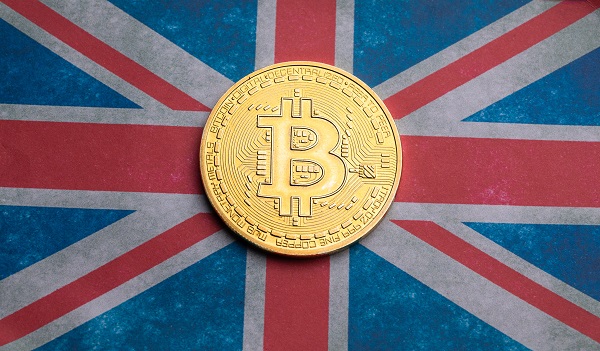
Britain ranked third in a global bitcoin adoption assessment, but more than 60,000 BTC held by the government is classified as seized assets linked to criminal proceeds, meaning it cannot be maintained as a national reserve.
On Aug. 11, local time, blockchain outlet CryptoSlate reported that Britain’s high ranking reflected policy progress as well as a large volume of bitcoin obtained through law enforcement.
Bitcoin infrastructure company JAN3 gave Britain a score of 6.44 and a BB rating in its 2025 B20 Index released this month. Britain ranked third behind the United States with 7.42 and Bhutan with 6.64. The assessment was compiled based on data through the end of 2025.
The ranking does not mean the British government has built a bitcoin reserve. JAN3’s framework scores countries by combining factors including national bitcoin holdings, state-level mining, the legal and tax environment, strategic stockpile policy, pro-bitcoin political leadership and usability within the economy. Britain’s third-place finish reflects the result of these composite indicators.
A key variable is about 61,000 BTC held by the government. The UK Crown Prosecution Service confirmed authorities seized more than 60,000 bitcoin in connection with a major investment fraud and money laundering case. Prosecutors defined the holdings as "property suspected of being criminal" and said final disposition would be determined by confiscation and civil procedures.
Britain’s asset recovery guidance also distinguishes between seizure and holding. Under the guidance, seizure is a temporary measure while procedures are under way. If a court order is issued, recovered cryptocurrency can be used to compensate victims, or proceeds can be transferred to the Treasury and to funding for economic crime enforcement. That makes it difficult to treat the bitcoin currently held as government reserves.
The British government’s official responses have maintained the same line. In a parliamentary answer on March 2, 2026, HM Treasury said that at the time neither the Treasury nor central government held cryptocurrency. In a September 2025 answer, it also said there were no plans to change the seized-asset framework or an official reserves framework, or to consider bitcoin as a reserve asset.
On the legal and institutional side, the property-rights basis for digital assets is being put in place. Britain’s Property (Digital Assets etc) Act took effect on Dec. 2, 2025 in England and Wales, and Northern Ireland. The law removed factors that had stood in the way of recognising certain digital or electronic objects as personal property. Its scope, however, concerns property rights and does not cover legal tender status or reserve policy.
Market access has also expanded. From Oct. 8, 2025, the UK Financial Conduct Authority allowed retail investors to access eligible cryptocurrency exchange-traded notes listed on approved UK exchanges. Promotion and consumer protection rules also apply. The British government said a broader crypto regulatory framework would begin from 2027.
Ultimately, Britain’s high score reflects regulation upgrades, expanded investment access and a large volume of bitcoin held by investigative authorities. Official reserve policy is being maintained separately. Britain earned points for a bitcoin-friendly institutional environment, but the legal nature of the more than 60,000 BTC it holds remains tied to proceeds-of-crime recovery procedures, and that remains central to the assessment.
 Jinju Hong
hongjj@d-today.co.kr
Jinju Hong
hongjj@d-today.co.kr