
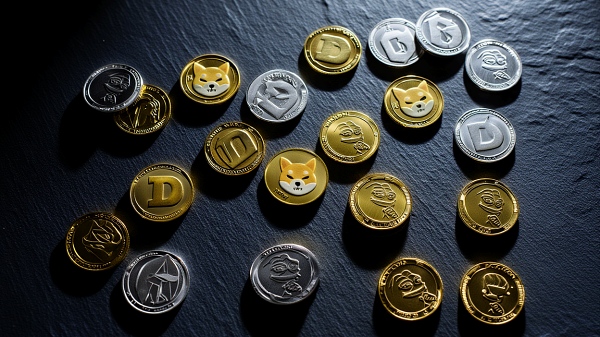
More than 6 out of 10 investors in top memecoins traded on Robinhood Chain have posted losses, data showed. Trading volume surged early on with gas-fee support and a memecoin boom, but many investors failed to avoid sharp price falls, an analysis said.
On July 18, blockchain outlet Cryptopolitan reported that on-chain analytics firm Bubblemaps analysed 164,538 traders in the top 50 tokens on Robinhood Chain. It said only 37% of investors recorded profits, while the remaining 63% were in the red.
Bubblemaps wrote on X, formerly Twitter, "The Robinhood trenches are brutal" and said the memecoin market remains a tough game. The analysis covered the 50 tokens with the most active trading on Robinhood Chain.
Robinhood Chain is an Ethereum-based Arbitrum Orbit layer-2 blockchain and began service on July 1, promoting lower fees. Robinhood is running a promotion to cover wallet transaction gas fees for 90 days to attract early users. With a boom in the flagship memecoin CashCat, decentralised exchange trading volume on the chain totalled $3.1 billion over the past seven days.
Market attention has focused on CashCat. The token, based on Robinhood's former cat mascot, jumped 718% within 24 hours after Robinhood CEO Vlad Tenev (블라드 테네프) took a friendly stance toward memecoins on the chain on July 8. Its market capitalisation expanded to $68 million.
But the rise did not last long. CashCat is now trading at about $0.0557, down about 75% from its all-time high of $0.2252 set on July 11. Its market capitalisation was tallied at about $55.7 million, with about 4,840 holders. As recently as July 13, about 25,000 wallets held CashCat and its market capitalisation reached about $150 million.
Bubblemaps said CashCat's token distribution structure was relatively stable. It said no specific force holding large amounts was identified and the token was relatively evenly distributed. Some clusters that existed early in the launch have already cleared their holdings, and current investor losses are closer to the result of price declines than supply concentration, it said.
By contrast, another memecoin, CashDog, showed warning signs. Bubblemaps said CashDog’s holding structure is tightly linked and it found signs that funds from some holders were supplied through one-off contracts. That suggests the structure could have been designed in an organised way rather than through natural market participation.
Funds on the chain are still flowing into memecoins. Besides CashCat, Wen Lambo, Tendies and HoodRat also recorded high trading volumes. DefiLlama said Robinhood Chain's total value locked was about $227 million as of July 18.
By contrast, the network market capitalisation of tokenised stocks, which Robinhood is pushing as a core business, stayed at about $12.66 million. An analysis said the fact that CashCat alone was more than 12 times larger than that at its peak shows early users focused more on memecoins than tokenised assets.
The market sees late September as Robinhood Chain's first turning point. A key variable is whether trading volume and liquidity hold up after the current gas-fee support ends. If users begin paying trading fees directly, it will test how long trading heat built around memecoins can last, an outlook said.
 Jinju Hong (홍진주)
hongjj@d-today.co.kr
Jinju Hong (홍진주)
hongjj@d-today.co.kr