
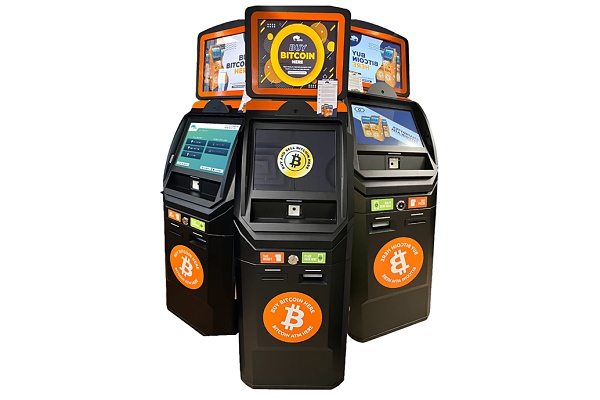
Regulation of cryptocurrency ATMs is tightening rapidly across the United States.
Cointelegraph, a blockchain media outlet, reported on July 1 that Tennessee from that day banned the installation and use of cryptocurrency ATMs and kiosks. Georgia implemented rules that include transaction limits, warning notices and a requirement to refund some fraud victims.
The steps show state-by-state rules spreading across the broader crypto cash deposit and withdrawal infrastructure. Tennessee's law stems from legislation signed by Governor Bill Lee in April and blocks the operation of cryptocurrency ATMs and kiosks across the state. Georgia capped the amounts that new and existing users can remit and required operators to provide customers with warnings about fraud risks. It also requires refunds in some fraud cases.
In Tennessee, 185 cryptocurrency ATMs and kiosks had been operating before the ban took effect. Earlier, Indiana began enforcing a ban from March, and Minnesota is set to enforce an ATM ban law from Aug. 1.
The backdrop is a rise in fraud losses involving cryptocurrency ATMs. Cases have continued in which older residents send funds through the machines on scammers' instructions, prompting state governments and local authorities to crack down on operators. Legislatures in Delaware and New Jersey are also pursuing similar bills centered on a full ban on the machines.
The tighter regulation is also putting direct pressure on the industry's revenue structure. Bitcoin Depot, a leading cryptocurrency ATM operator, filed for bankruptcy protection under Chapter 11 of the U.S. Bankruptcy Code in May. The company had said a few days before the filing that it was not confident in its sustainability amid a tough regulatory environment and the burden of lawsuits.
Roshan Dariya (로샨 다리아), chief executive of Echo Base and a restructuring adviser, said Bitcoin Depot's bankruptcy is likely a preview of what the broader industry may face. He said the existing business model had withstood a high-cost structure by relying on a wide gap in transaction fees and limited regulatory oversight, but that premise is breaking down.
Dariya said as state governments raise consumer protection standards, fees are coming under pressure and operators' responsibility for fraud-related activity is growing. He also said expectations for transaction monitoring and refunds are rising. From operators' perspective, cash logistics, compliance costs, fraud response and the cost of sharing revenues with retail distribution are heavy, and tighter regulation makes them harder to offset.
The trend is also spreading beyond the United States. Canadian federal policymakers have proposed a nationwide ban on cryptocurrency ATMs, though it has not yet taken effect. The direction would still allow purchases of digital assets through offline exchange and remittance service outlets. Canadian authorities viewed cryptocurrency ATMs as a main means for scammers to deceive victims and a channel for criminals to feed in cash proceeds of crime.
In the United States, rules vary by state, but the general direction is toward stronger consumer protection. As a result, the key variable for the cryptocurrency ATM industry's survival is emerging as whether it can bear the costs of regulatory compliance and liability, rather than a simple race to expand the number of machines.
 Yoonseo Lee
yslee@d-today.co.kr
Yoonseo Lee
yslee@d-today.co.kr