
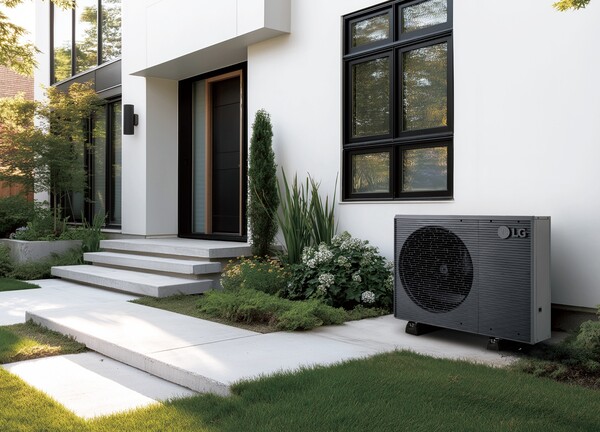
LG Electronics is ramping up efforts to foster specialist engineers in South Korea alongside the launch of new heat pump boiler products. The company said on Monday it conducted professional training on installation and maintenance of its new heat pump boiler for domestic heating, ventilation and air-conditioning engineers at its HVAC academy in Pyeongtaek, Gyeonggi Province.
With the government pushing to deploy 3.5 million heat pumps by 2035 and aiming to cut greenhouse gas emissions by 5.18 million tons, LG Electronics plans to lead the market by adding South Korea-tailored infrastructure to its product competitiveness.
LG Electronics has continued its domestic heat pump boiler business since 2011 and has built related capabilities over 15 years. More than 4,000 people have completed specialist installation training from 2014 to the present, and Hi-M Solutek, which is dedicated to services, has more than 1,000 service engineers. The company is sequentially providing specialist training across the country, including in regions such as Jeju where heat pump deployment projects are being pursued.
Based on this, the company is expanding its influence in global markets including Europe, a key market for residential heat pumps. It is operating cold-climate heat pump research centres in places including Alaska in the United States, Oslo in Norway and Harbin in China to study performance in extreme climates. It is also continuing to develop high-efficiency heating technologies in cooperation with universities and institutions in each country. It is training specialist personnel in areas including commercial air conditioners and chillers, and is producing more than 30,000 HVAC engineers each year in 65 regions across 43 countries, including the United States and India.
Kwon Min-ho (권민호), head of ES engineering at LG Electronics, said, "Along with heat pump technological capabilities recognised in advanced markets such as Europe, we will provide South Korean customers with a high-efficiency heating solution on a different level through competitiveness in specialist infrastructure at customer touchpoints, including installation and maintenance."
 Suk Dae-geon
d2dg@d-today.co.kr
Suk Dae-geon
d2dg@d-today.co.kr