
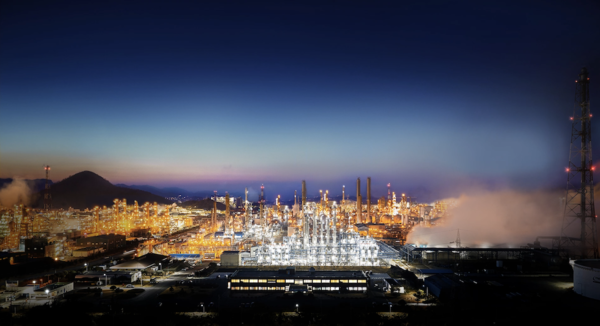
Yeocheon NCC has raised the operating rate of its naphtha cracking plant to 65 percent. Yeocheon NCC, the operator of South Korea’s largest naphtha cracking centre (NCC), raised the rate further from 60 percent to 65 percent, it said on Sunday. The decision follows the creation of conditions to stabilise supply and demand, including the government’s policy to support naphtha purchase subsidies and the establishment of a naphtha financial support system by the Financial Services Commission.
Yeocheon NCC said its operating rate fell to 55 percent last month as raw material prices rose and supply became unstable due to the prolonged Middle East situation. It was also considering additional shutdowns. But after the government introduced a subsidy policy that directly supports 50 percent of the increase in naphtha import unit costs, it raised the operating rate to 60 percent on April 10.
The latest increase was influenced by moves in the financial sector. On April 23, the financial sector agreed to build a “Middle East situation naphtha financial support system,” raising expectations for improved conditions for importing feedstock. Yeocheon NCC decided to raise the operating rate to 65 percent in a pre-emptive move reflecting that, the company said.
Yeocheon NCC is diversifying naphtha sources to reduce reliance on the Middle East region. It is securing naphtha from Greece, Algeria, Nigeria, Egypt, Oman and Saudi Arabia to strengthen supply chain stability.
The petrochemical industry uses naphtha as feedstock to produce basic oils such as ethylene and propylene. These basic oils are key raw materials for plastic products used in daily life, including vinyl, PET bottles, and various packaging materials and containers. A recovery in operating rates is expected to lead to supply stability for related products.
A Yeocheon NCC official said, “The government’s active efforts to stabilise supply and demand are easing some of the industry’s psychological and economic burden.” The official said the company expects the support system to operate smoothly in the field and plans to gradually raise the operating rate, taking into account future supply and demand conditions and the government’s support measures.
 Seok Dae-geon
d2dg@d-today.co.kr
Seok Dae-geon
d2dg@d-today.co.kr