
[DigitalToday reporter Jinju Hong (홍진주)] Sony Group and Honda have decided to effectively halt the business of their EV development joint venture, Sony Honda Mobility.
On April 21 local time, Japanese outlet ITmedia reported that the two companies decided to scale back the venture after concluding it would be difficult to bring products and services aligned with the venture’s founding purpose to market in the short term. It is not simply a schedule delay, but a judgment that it would be difficult to secure a route to market under the current business structure.
Under the move, Sony Honda Mobility employees will, in principle, all be reassigned within the groups, including to other organisations at the parent companies, reflecting their preferences. The corporate entity itself will not be dissolved. The two companies plan to continue discussions on what form of cooperation is possible in the mobility sector by using technology assets such as software developed so far.
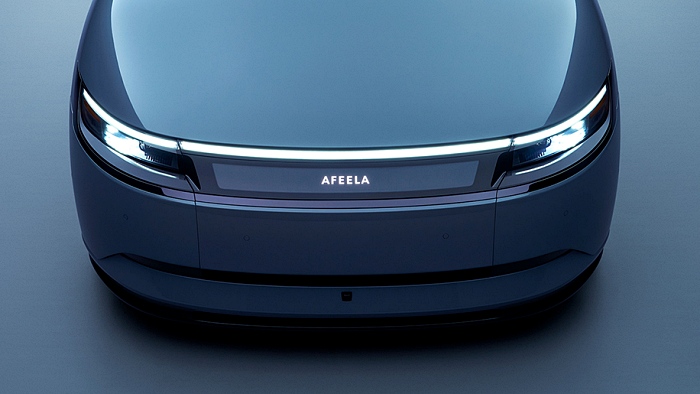
The most direct impact of the suspension is on Afeela, its independently developed EV brand. Sony and Honda had planned to release Afeela’s first model in 2026, but have halted sales due to the impact of Honda’s review of its EV strategy. Development of a second product has already been stopped. As Afeela was a flagship project the two companies had pursued through the joint venture, the decision means their joint EV business has effectively come to a standstill.
Honda’s overall adjustment of its EV strategy also coincides with the decision. On March 12, Honda disclosed a plan to halt development of two next-generation EV models in its "0 Series", citing a slowdown in EV demand in the United States. It also said it plans to reflect losses of up to 250 billion yen by March 2027. The business pursued by Sony Honda Mobility is also seen as falling within the scope of this strategic revision.
Meanwhile, the decision to keep the corporate entity signals that the companies have not completely abandoned the possibility of cooperation. Sony and Honda will continue to review ways of collaborating in mobility based on technologies such as software they have developed. The decision is therefore closer to a downsizing and suspension of the joint EV business, but it does not mean an end to technological cooperation itself.
In this situation, the key points to watch going forward narrow to two. One is whether the technology assets left by Sony Honda Mobility will actually be incorporated into other mobility businesses of the two companies. The other is whether, after Honda’s ongoing overhaul of its EV strategy, it will redraw the scope of cooperation with Sony to focus on software rather than vehicle sales.
 Jinju Hong
hongjj@d-today.co.kr
Jinju Hong
hongjj@d-today.co.kr