
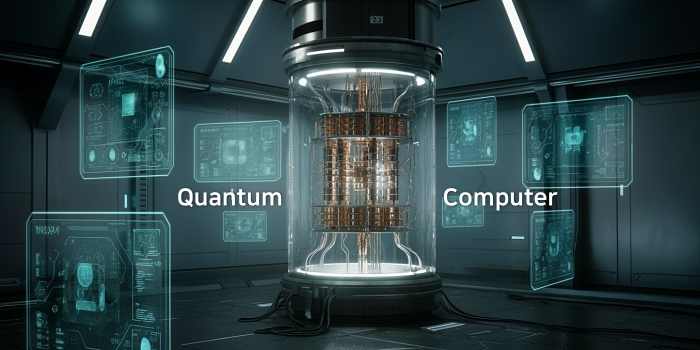
Ripple said it will shift the XRP Ledger to a quantum-computing response system by 2028.
On April 20 (local time), blockchain outlet The Block Crypto reported that Ripple said current assets are not in immediate danger. But it said the quantum computing threat has moved from a “theoretical stage” to a “realistic level,” making the timing of preparation more important.
The plan comes as concerns grow that advances in quantum computing could, over the long term, undermine cryptographic systems that protect digital assets. Ripple also cited a recent new paper by researchers at Google Quantum AI as background that has reignited the debate.
Ripple pointed in particular to higher risks from a “harvest now, decrypt later” approach. It said malicious actors could collect and store encrypted data publicly available on blockchains now, then decrypt it and access assets once quantum hardware advances sufficiently.
The company drew a line, saying the current state of technology is not at a stage where it will immediately break cryptographic systems. It said the situation clearly shows that systems designed to protect value over long periods should begin planning a post-quantum transition. That puts more weight on setting mid- to long-term security transition plans than on issuing a simple warning.
Ripple also argued that the XRP Ledger is better positioned than other blockchains in terms of readiness for the shift. It said the XRP Ledger supports default key replacement at the protocol level, allowing users to move away over time from keys that may become vulnerable without changing their existing accounts. Ripple said this structure differs from many blockchains, including Ethereum. It argued Ethereum has no corresponding protocol-level default function to address this.
The industry is divided on quantum computing risks. Some industry figures agree on the seriousness of the threat, but others, such as Strategy's Michael Saylor (마이클 세일러), see the risk as low. Investment bank Bernstein assessed quantum risk as a “manageable upgrade cycle.” Last week, Tron (Tron) founder Justin Sun (저스틴 선) also said Tron is taking steps to respond to future technological threats.
Ripple's plan is drawing attention for treating quantum computing risk as a long-term transition task rather than an imminent collapse. It shows blockchain security competition is moving beyond performance and scalability to the level of readiness for cryptographic-system transitions. It is also becoming increasingly clear across the market that quantum 대응 is shifting from a matter of choice to a question of when to prepare.
 Yoonseo Lee
yslee@d-today.co.kr
Yoonseo Lee
yslee@d-today.co.kr