
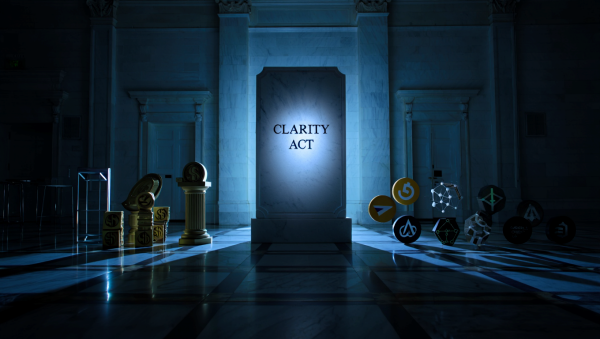
U.S. Congress has again delayed releasing language on stablecoin returns, a key issue in the Clarity Act, a digital asset regulation bill. As conflicts of interest between banks and the cryptocurrency industry persist, the legislative timetable also appears to be slipping.
The Block, a blockchain media outlet, reported on April 16 that the current draft keeps the existing approach. It bans paying interest on idle stablecoin balances but allows returns tied to activities such as transactions.
Senator Thom Tillis (톰 틸리스) had planned to release the language this week, but the release is now likely to be pushed back until after next week. He said he could release it only after the Senate Banking Committee's schedule for revisions becomes clearer. A person familiar with the bill discussions also said the language would not come out this week.
The legislative team is continuing detailed coordination with the banking industry and cryptocurrency companies, but the broad framework of the draft is expected to remain in place for now. That makes it likely the structure will remain unchanged, with a ban on rewards for idle balances and permission for activity-based returns.
The central issue is how far stablecoin rewards should be allowed. Tillis and Senator Angela Alsobrooks (앤젤라 올스브룩스) have been working to coordinate wording to settle the debate over stablecoin reward rules, but they have still not reached agreement.
The backdrop to the dispute is a gap in existing legislation. The Genius Act, passed last year, banned stablecoin issuers from directly paying interest, but did not clearly restrict providing returns through third-party platforms such as exchanges. Banks and the cryptocurrency industry are clashing head-on over that opening.
U.S. banks argue that if interest payments on stablecoins are allowed, deposits could leave traditional financial institutions and cause disruption across the financial system. Several cryptocurrency firms, including Coinbase, are pushing back, saying banning rewards on idle balances could stifle innovation. They said the model could create new business opportunities not only for crypto firms but also for banks.
The White House has also moved to mediate, but the gap in positions remains. The delay in releasing stablecoin return language is also increasing the likelihood that the overall timeline for the Clarity Act will slip.
Key variables include when the Senate Banking Committee's schedule for revision reviews is confirmed, and whether the final language keeps the current provision banning rewards for idle balances.
 Jinju Hong
hongjj@d-today.co.kr
Jinju Hong
hongjj@d-today.co.kr