
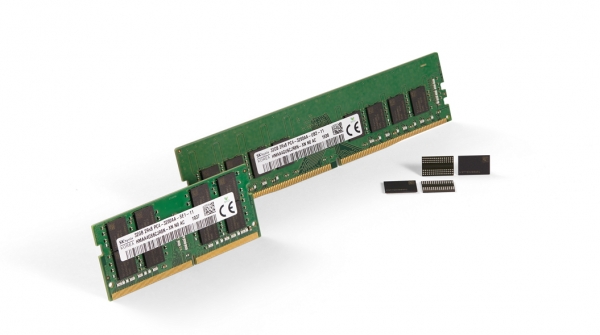
DDR4 memory prices, a key computer component, have fallen for the first time in about a year. TechRadar reported on April 10 that spot prices for 16GB DDR4 chips fell about 5 percent over the past month. Still, it is hard to say the burden has eased significantly, given 16GB DDR4 module prices rose 2,200 percent over the past year.
The decline is significant because it marks the first time DDR4 prices have turned down on a monthly basis. There were periods when the pace of gains nearly stopped, but this is the first time an actual decline has been confirmed.
In South Korea, steps are also being pursued to reduce the burden from rising PC prices. The government is reported to plan to increase recycling and donations of PCs that were taken out of use last year and to expand supplies of PCs for support for vulnerable groups. Expanding a program to support computer purchases for low-income households with students was also mentioned.
The government is also said to be considering measures to prevent unfair practices by checking distribution and supply conditions in the PC and laptop market. Relevant ministries are reported to be monitoring the PC market and memory sales trends and to plan to consider strict action if cases deemed illegal are confirmed. This has not been officially announced and remains at the stage of South Korean media reports.
In the memory market, DDR5 prices are also falling. On Chinese e-commerce platforms, there have been cases where 16GB DDR5 module prices fell by as much as 30 percent. DDR4’s decline is smaller than DDR5’s, but the fact that prices have started to turn down is noteworthy.
Still, it is too early to view this decline as a trend reversal. It has been suggested that consumer demand fell as prices rose excessively, and that may have led to a price adjustment.
Changes in memory demand linked to OpenAI scaling back data center plans and Google’s "Turboquant" were also mentioned as possibilities, but none has been confirmed as a direct cause. Market research firms and hardware makers also do not appear to see memory prices as having entered a full-fledged downcycle, the outlet reported.
 Choo Hyun-woo
cookinpapa@d-today.co.kr
Choo Hyun-woo
cookinpapa@d-today.co.kr