
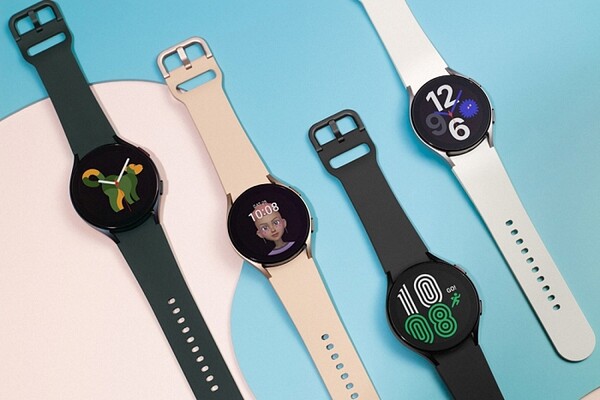
Samsung Electronics has begun introducing a blood pressure tracking feature for Galaxy Watch users in the U.S. market in phases. The feature, previously offered first in some regions including South Korea, is being applied later in the United States.
According to major foreign media outlets including The Verge on March 31 (local time), the feature can be used on Galaxy Watch 4 and later models that run Wear OS 4.0 or higher. It is designed to let users check systolic and diastolic blood pressure data along with heart rate. Samsung made clear that it does not directly measure blood pressure using the watch alone.
The key is calibration. Users must use a separate cuff-type blood pressure monitor to set an initial baseline, and they must recalibrate about every 28 days to maintain accuracy. This is the same method used when the blood pressure feature was first introduced in South Korea.
A change in regulatory strategy lies behind the U.S. launch becoming possible. By positioning the feature in the category of wellness rather than medical use, Samsung is analysed to have been able to provide the service without separate approval from the U.S. Food and Drug Administration. It is also emphasised that, in this case, the readings are mainly for reference, limiting their direct use for medical judgments.
Conditions for use are also limited. To use the blood pressure tracking feature, users need the Samsung Health Monitor app and must link it with a Galaxy smartphone that supports Android 12 or higher. That is, it is a feature premised on integration within Samsung's ecosystem rather than use of the watch alone.
Samsung also signalled it will further enhance the feature. It plans to add a passive monitoring function through an update within this year to show blood pressure changes over time and allow users to check longer-term health trends.
The feature will not be applied across the United States all at once and will be distributed in phases. As a result, even users with the same device may see differences in when the update is applied. The case is assessed as a representative example showing that the launch timing and scope of wearable health functions can vary depending on regulations and classification methods.
 Jinju Hong
hongjj@d-today.co.kr
Jinju Hong
hongjj@d-today.co.kr