
The date for full implementation of a policy that makes facial authentication mandatory when activating mobile phones has been pushed back. The move reflects concerns including fears of personal data leaks.
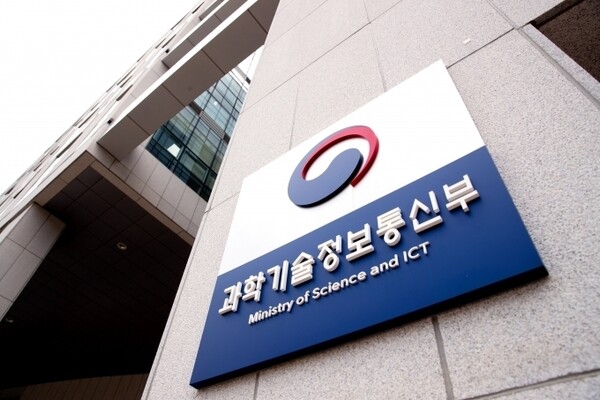
The Ministry of Science and ICT said on March 20 it will extend to June 30 the pilot period for procedures that use facial recognition technology to verify a customer’s identity when activating a mobile phone.
The procedure was introduced on a pilot basis from Dec. 23 last year at in-person channels of the three mobile carriers and at non-face-to-face channels of budget mobile operators. It was part of efforts to carry out the government’s joint “comprehensive measures to eradicate voice phishing” and to prevent fraudulent mobile phone activations used for voice phishing crimes.
The measure was due to take full effect on March 23, but was stalled after the National Human Rights Commission issued recommendations for improvement on March 13. The commission cited the potential to affect the exercise of people’s fundamental rights and inadequate related laws and regulations. Civil society groups have also repeatedly raised concerns about personal data leaks, and recognition errors occurred in field tests due to external conditions, leading the ministry to decide to delay the full rollout.
The ministry said the extension of the pilot period was the result of a comprehensive review and acceptance of industry views to minimise user inconvenience and ensure the system takes hold. It cited the three mobile carriers, the Korea MVNO Association and the Korea Mobile Distribution Association.
The industry asked the ministry to clearly define work processes to prevent confusion in the field and to improve on-site response manuals so they can handle external variables such as lighting and communications conditions. It also called for alternative options and sufficient on-site guidance to guarantee choices for older people, people with disabilities, digitally vulnerable groups and users who feel resistance to facial recognition.
It also requested that the procedure be introduced across all channels of the three carriers and budget operators to improve effectiveness. It asked for an extension of at least three months to the pilot period, considering new handset launches and peak seasons such as Family Month in May.
The ministry is reviewing various alternatives including PIN authentication in the Ministry of the Interior and Safety’s mobile ID app, authentication via video call, other biometric authentication such as fingerprints and iris scans, and account authentication. It plans to further gather industry views during the pilot period and will announce separately once alternative options are finalised.
Choi Woo-hyuk (최우혁), director general for Information Security Network Policy at the ministry, said identity verification using facial recognition technology is the most effective means to prevent mobile phone identity theft and name lending. He said the ministry will continue to improve what is needed by communicating with companies, relevant agencies and experts so that a safe and trusted telecommunications environment can be built while minimising inconvenience in the field.
 Jin-ho Lee
jhlee26@d-today.co.kr
Jin-ho Lee
jhlee26@d-today.co.kr