
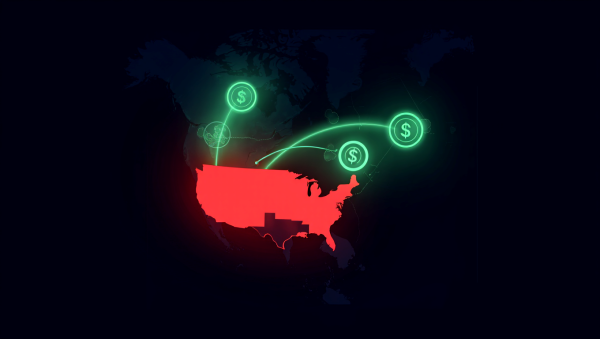
As cryptocurrencies and the banking sector debate whether to allow interest on stablecoins, an outlook has emerged that if the United States bans it, other countries could quickly fill the gap. Analysts say the centre of the global stablecoin market could shift depending on the direction of regulation.
Cointelegraph reported on March 16 that Takatoshi Shibayama (시바야마 타카토시), Asia-Pacific head at hardware wallet firm Ledger, said in a recent interview that if the United States imposes a blanket ban on stablecoin interest, discussions among overseas institutions, issuers and regulators would become more active. He said it would ultimately be highly likely that other countries seize the opportunity.
The U.S. Senate is currently preparing legislation to regulate the cryptocurrency market, and there is a possibility that it will include provisions restricting third-party platforms from offering stablecoin interest. The move is interpreted as reflecting the banking sector's interests and is drawing backlash from the cryptocurrency industry.
Shibayama stressed that some countries, including Australia, are already providing regulatory flexibility to stablecoin issuers. He said if the question of allowing interest becomes a full-fledged debate in the United States, the structure of the global market itself could change. He also mentioned that most stablecoins currently do not offer interest or rewards to avoid conflicts with the banking sector.
A shift in strategy in Asia's financial sector is also drawing attention. He said that since last year, Asia's financial sector has increasingly tended to separate cryptocurrencies from blockchain technology. He said institutions are focusing more on tokenising financial products or issuing stablecoins than on products with direct exposure to cryptocurrencies.
In practice, many financial institutions are reshaping their businesses around relatively stable stablecoins and tokenised assets rather than highly volatile cryptocurrencies. Asset managers are also reviewing the launch of cryptocurrency products, but are prioritising the securing of regulated custody infrastructure.
As speculation grows that the United States' regulatory choice could become a turning point that triggers competition for leadership in the stablecoin market, the market is also raising concerns that U.S. regulation could shift leadership in financial markets overseas.
 Jinju Hong
hongjj@d-today.co.kr
Jinju Hong
hongjj@d-today.co.kr