
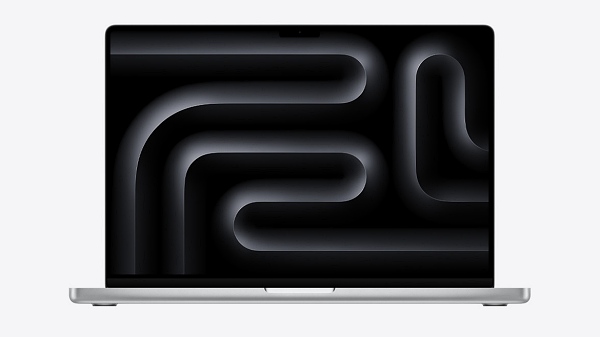
A rumour that Apple is developing an ultra-thin Face ID component is raising the possibility Face ID could be applied to future Mac models as well. The development is seen as a technical turning point that could change biometric authentication on Macs, which have relied only on Touch ID.
On Jan. 26, IT outlet 9to5Mac, citing IT tipster Instant Digital, reported Apple is preparing an ultra-thin Face ID module for the next-generation iPhone Air2. The tipster stressed that alongside a design that arranges the rear ultra-wide camera horizontally, the new Face ID module is thinner than existing ones and could later be applied to MacBook or iMac models. The rumour suggests security features could be strengthened not only on iPhones but also across the Mac lineup, and reveals Apple’s strategic intention to extend biometric authentication to Macs.
Until now, Macs have had difficulty incorporating Face ID because the structure at the top of the display is thin, creating space constraints. Experts say an ultra-thin module could overcome this limitation, though Macs have had no choice but to rely on Touch ID. Technology analysts said, "If this module is applied to actual products, both MacBook and iMac will be able to offer convenient facial recognition and faster unlocking," expressing anticipation.
According to the rumour, Apple is planning a major redesign of the MacBook Pro this year, and Face ID could be included in the new model, it reported. However, Instant Digital also added, "It is only speculation whether it will be applied to the MacBook, and there has been no official confirmation yet." The timing of the actual product launch and the scope of adoption need to be confirmed through Apple’s official announcement.
The ultra-thin Face ID development is seen as an opportunity to improve both security and convenience across the Mac user environment. If Face ID is introduced to Macs, the outlook is that safe and intuitive device use will be possible across a range of areas such as remote work, financial transactions and educational settings. Experts said, "If Face ID is realised on Macs, users will be able to use their devices more intuitively and safely," offering a positive assessment.
The new component is also expected to play an important role in an integrated biometric authentication strategy across Apple’s product lineup, not only the iPhone. Mac users rate the convenience and security offered by Face ID more highly than Touch ID, and cite easier authentication for screen unlocking, Apple Pay payments and managing app access permissions as another advantage.
Meanwhile, rivals Microsoft and Google are also showing moves to strengthen biometric authentication technology in the PC environment. Industry officials said, "If Face ID is installed on MacBooks, other PC makers are highly likely to introduce more advanced biometric authentication features," and expected the development to affect competition in the laptop and desktop market as well.
 Kyung-min Hong
hongm@d-today.co.kr
Kyung-min Hong
hongm@d-today.co.kr