
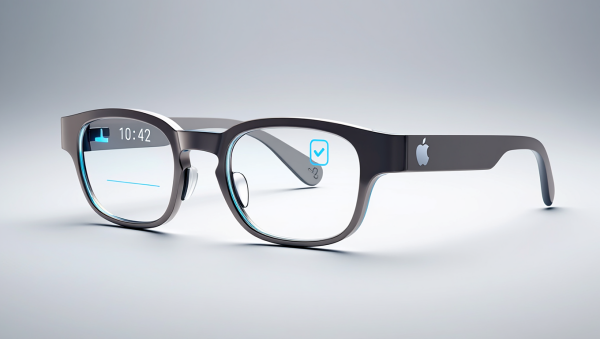
Apple is betting on screenless smart glasses. Outlooks say Apple will introduce smart glasses that concentrate its artificial intelligence (AI) technology in 2026, reshaping the wearable market.
IT outlet 9to5Mac reported on Dec. 10 (local time) that the upcoming Apple Glasses will likely feature a new chip, multiple cameras, Siri-linked voice control, built-in speakers and health-tracking functions.
Reports say Apple Glasses is likely to use a revamped version of the Apple Watch S-series chipset. That is aimed at improving battery efficiency and controlling multiple cameras at the same time. Apple is expected to focus on implementing “Visual Intelligence” through the camera system, offering basic capture functions as well as recognising surroundings and providing information.
An improved Siri is also drawing attention. Linked to Apple’s next-generation AI overhaul, it is expected to offer an experience that lets users fully control the device by voice alone.
Audio functions will also be strengthened. Along with closer integration with AirPods, the device is expected to include built-in speakers so users can play media and interact with Siri without separate earphones. The operating approach is likely to resemble an iPhone accessory similar to the Apple Watch. To keep the device lightweight and improve battery efficiency, complex tasks requiring high-performance computing are expected to be handled by a wirelessly connected iPhone.
Specific details on health-related features are not yet known, but Bloomberg previously reported that Apple is reviewing various health-tracking functions it could include in the device.
Apple is also expected to position the new product as a fashion item. That would follow the formula behind the Apple Watch, which targeted consumer preferences through combinations of materials and straps. Apple Glasses is therefore likely to be released with a range of frame designs and colour options. This is seen as a strategy to lower psychological barriers to wearing glasses and to broaden appeal.
A 2026 unveiling is seen as likely, but an actual launch could slip to 2027. The first-generation model is expected to come without a display, though Apple is said to have already started developing a premium follow-up model that includes a screen.
Although it would enter the market later than competitors, the industry consensus is that the impact could be significant if seamless integration with the iPhone is achieved. That would test whether Apple’s strategy of overturning markets by prioritising completeness over being first can also work in the smart glasses market.
 Yoonseo Lee
yslee@d-today.co.kr
Yoonseo Lee
yslee@d-today.co.kr