
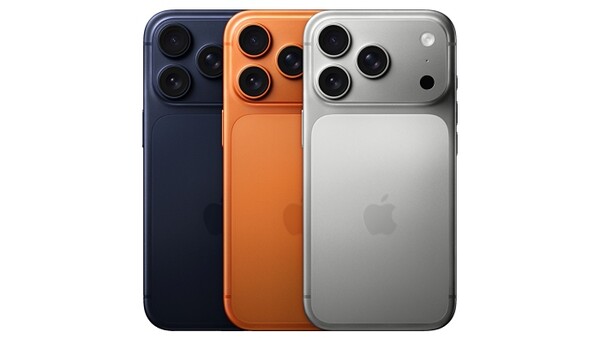
The iPhone 17 series is facing a durability debate after opting for an aluminum frame, with assessments emerging that abandoning titanium was a wrong decision.
NineToFiveMac reported on Jan. 20 that the new iPhone 17, iPhone 17 Pro and 17 Pro Max adopted aluminum instead of the titanium frame used on previous-generation Pro models to reduce weight. Experts and users point out that aluminum is less durable than titanium, raising the likelihood of damage from drops or impacts. Some users reported that the lower frame dented immediately after dropping an iPhone 17, and that another collision caused cracks at the top and bottom corners.
The iPhone 17 comes with a 6.3-inch display, a 120Hz refresh rate and a Fusion main camera, minimizing specification differences with the existing iPhone 16 Pro Max. Even so, assessments say durability limits of the aluminum frame make it difficult to use without a case despite the phone being a premium model.
The iPhone 15 and 16 Pro models, which used titanium frames in the past, are being contrasted with reports of little major damage even after multiple drops. Users say abandoning titanium has reduced practical protection performance.
Experts analyze that Apple chose aluminum for weight reduction and ease of production, but say it may fail to meet the durability expected of a high-priced product. Assessments say keeping titanium would have improved resistance to drops and impacts, reducing repair costs and replacement burdens, and would have had a positive effect on product credibility and brand image. The analysis says aluminum helps short-term weight reduction but is prompting consumer complaints over long-term usability and durability.
The iPhone 17 series also applies Gorilla Glass and a Ceramic Shield coating, but criticism continues that without a titanium frame it lacks a material that guarantees durability in the smartphone market. The industry says Apple should consider options such as rebalancing weight and durability in future models, reintroducing titanium or reinforcing aluminum designs. It expects durability to directly affect consumer satisfaction as it becomes more important in choosing premium smartphones.
Durability problems that emerged through users' real-world experiences over four months since the iPhone 17 series launch show that abandoning titanium was not simply a material change but a significant mistake in Apple's premium iPhone strategy.
Some reviewers said, "The previous titanium frame had almost no damage even when dropped, but aluminum gets scratches and cracks even with minor impacts," and stressed that Apple should re-examine long-term user experience tied to its choice of frame material.
 Kyung-min Hong
hongm@d-today.co.kr
Kyung-min Hong
hongm@d-today.co.kr